Salmon River Fishing Guide
Published: November 18, 2026
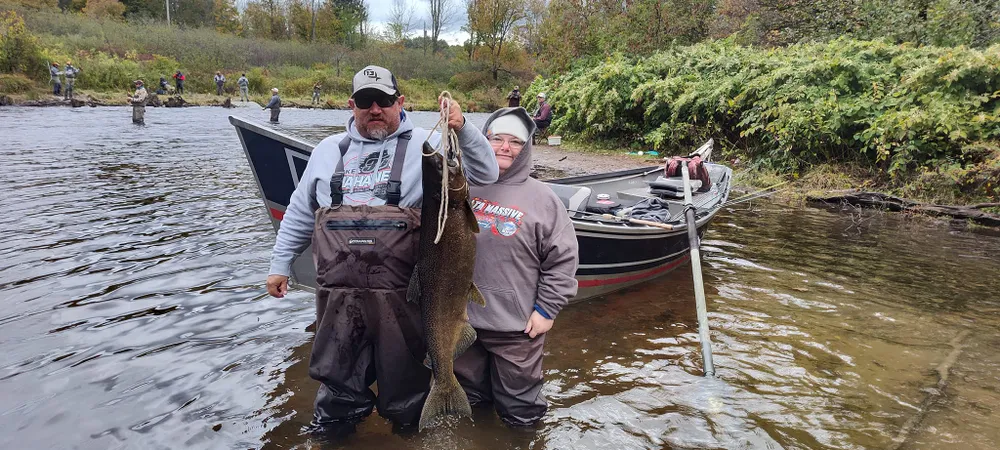
The Salmon River is one of the better-known tributaries connected to the Lake Ontario fishery, attracting anglers who want to target salmon, steelhead, and trout as fish move through the river during different parts of the year. The river's fishing conditions can change with water flow, temperature, fish movement, and season, so the best approach depends on when and where you fish. Understanding the main species, seasonal patterns, and river sections can help you plan a more productive trip. Anglers visiting the area can also consider Lake Ontario fishing charters Oswego, NY, for additional opportunities on the lake.
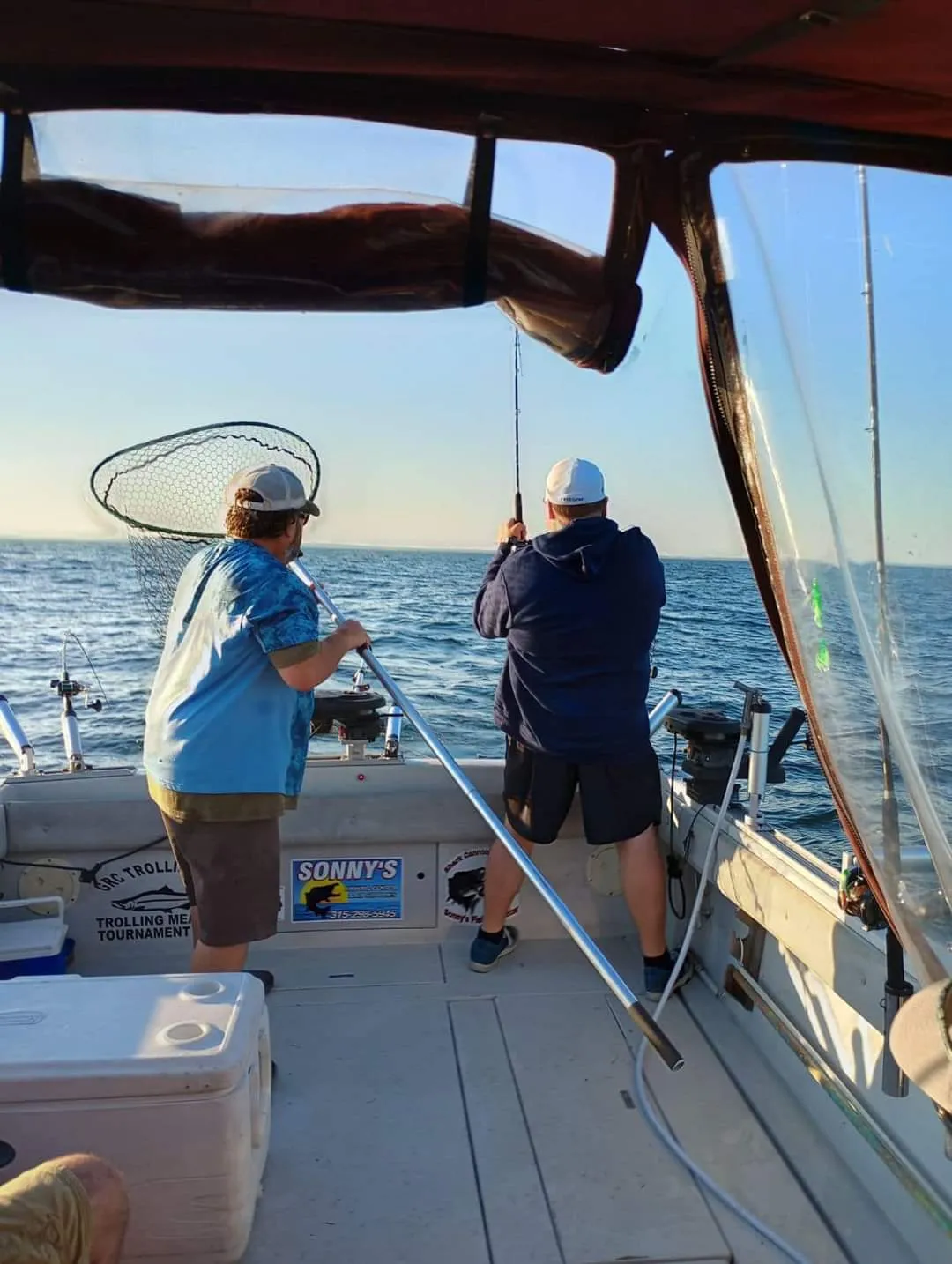
What Makes Salmon River Fishing Popular?
The Salmon River gives anglers access to seasonal runs of fish that move between Lake Ontario and its tributary system. Its changing conditions also mean that different species can become the main target throughout the year.
The Main Fish to Target are:
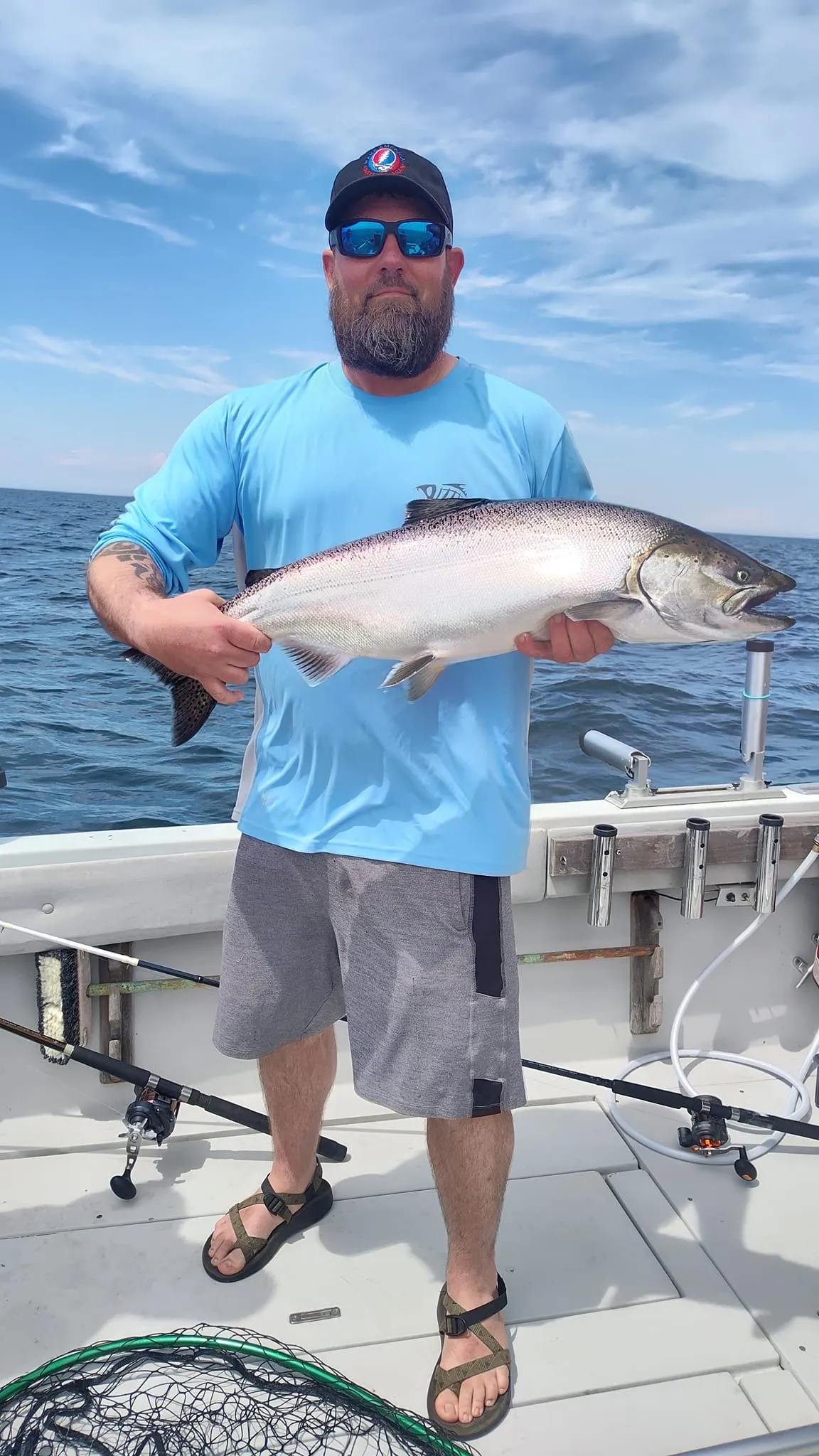
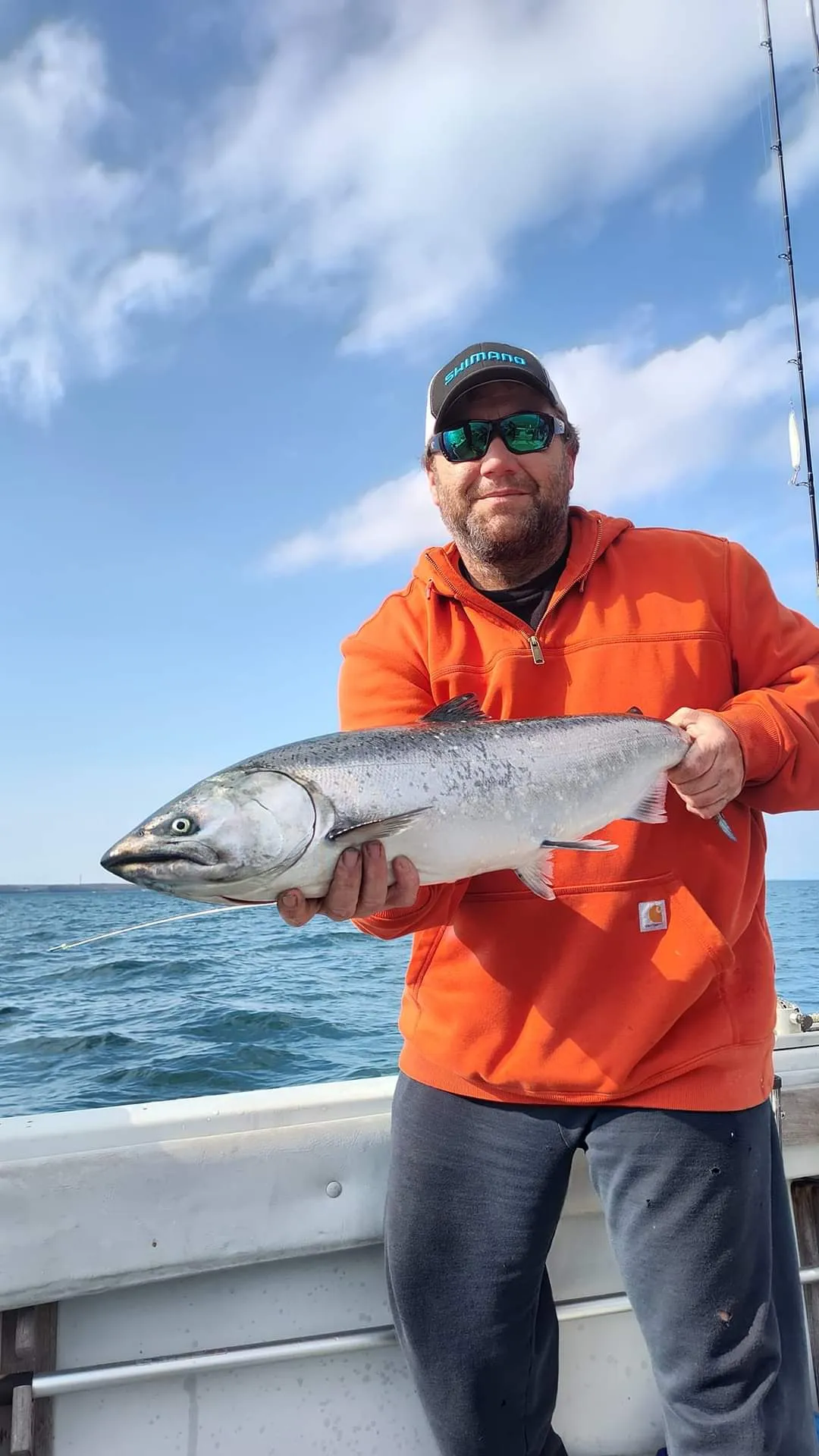
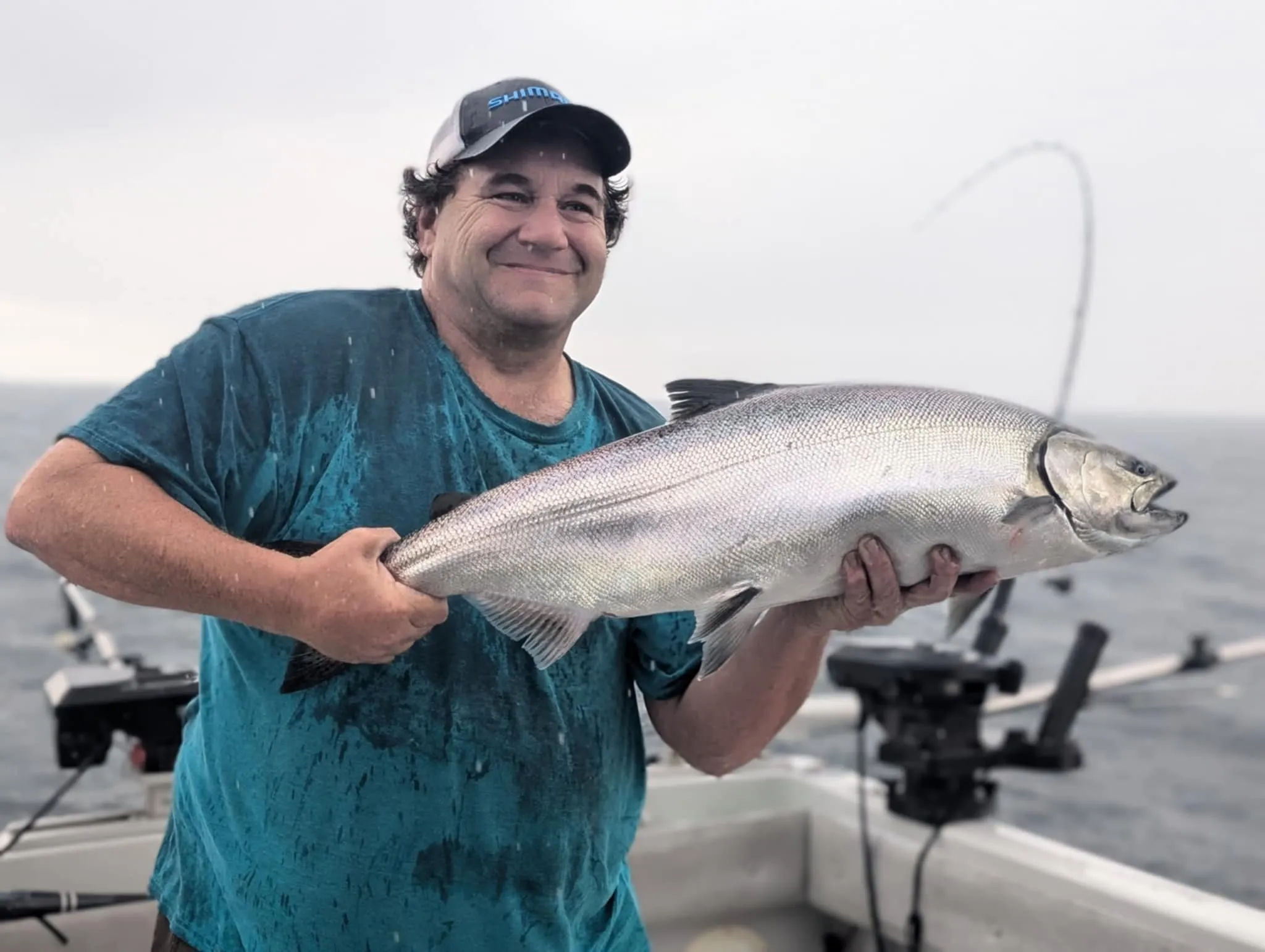
- Chinook Salmon: Chinook are one of the primary salmon targets during the fall migration. Their size and strength make them a popular choice for anglers looking for a powerful river fight.
- Coho Salmon: Coho also enter the river during seasonal migrations. They can provide another salmon fishing opportunity as conditions change through the fall.
- Steelhead: Steelhead are rainbow trout that move between Lake Ontario and tributaries. Their presence can extend fishing opportunities beyond the main salmon period, particularly through the colder months.
- Brown Trout: Brown trout can also be found in the river system and provide opportunities during cooler periods. Their location can change with water temperature, flow, and seasonal movement.
Why Conditions Matter
River fishing is strongly influenced by water level, clarity, temperature, and recent weather. These factors can affect where fish hold and how they respond to different presentations. Checking an Oswego River fishing report before heading out can help anglers understand recent conditions and adjust their plans.
Best Time to Fish the Salmon River
The Salmon River changes significantly throughout the year. Instead of looking for one ideal date, anglers should match the season with the species they want to target and the conditions they expect to encounter.
Late Summer to Early Fall
The first major salmon movements begin as fish leave Lake Ontario and enter tributaries.
- Primary targets: Chinook salmon and coho salmon
- Best conditions: Cooler water and suitable river flow
- Fishing focus: Watch river mouths, deeper holding areas, and areas where migrating fish begin moving upstream.
Fall Salmon Run
Fall is the main period for anglers targeting salmon in the river. Fish continue moving upstream, and water conditions can change quickly after rainfall.
- Primary targets: Chinook salmon and coho salmon
- Best conditions: Moderate flows and cooling water
- Fishing focus: Pools, runs, current breaks, and other areas where migrating fish may hold.
Late Fall and Winter
As the main salmon activity declines, steelhead and trout become increasingly important targets.
- Primary targets: Steelhead and brown trout
- Best conditions: Stable flows and suitable cold-water conditions
- Fishing focus: Deeper pools, slower current, and areas where fish can conserve energy.
Spring
Spring can provide additional opportunities for steelhead and trout as water temperatures begin rising.
- Primary targets: Steelhead and brown trout
- Best conditions: Clearer water and manageable river flows
- Fishing focus: Current seams, deeper runs, pools, and areas with changing water depth.
Where to Fish on the Salmon River
Different sections of the Salmon River offer different types of water. Reading the river and matching your location to current fish movement can be more useful than relying on one fixed fishing spot.
Upper River
The upper sections contain varied current, deeper pools, and faster-moving water. Anglers often look for places where fish can rest while still having access to moving water.
Look for: Pools, current seams, deeper runs, and changes in river structure.
Middle River
The middle sections provide a mix of runs, pools, and current changes. These areas can be worth exploring as fish move upstream and conditions change.
Look for: Current breaks, deeper holding water, and transitions between fast and slow water.
Lower River
The lower river is closer to Lake Ontario and can be important during periods of active fish movement from the lake into the tributary.
Look for: Deeper water, current changes, and areas influenced by seasonal migration.
River Mouth and Lake Connection
The connection between the Salmon River and Lake Ontario can become especially relevant during migration periods. Fish moving between the lake and river may use different areas depending on water temperature, flow, and food availability.
Anglers planning salmon fishing Lake Ontario can also consider how river conditions connect with the broader lake fishery.
Salmon River Fishing Techniques
Fishing the Salmon River requires anglers to adjust their presentation to water depth, current speed, clarity, and the species they are targeting. A technique that works during a strong salmon run may need to change once steelhead become the main target.
Drift Fishing
Drift fishing allows bait or artificial presentations to move naturally with the current.
- Best for: Salmon, steelhead, and trout
- Focus on: Maintaining a natural drift through pools, runs, and current seams
- Key adjustment: Change weight and depth as water flow changes
Casting
Casting works well when fish are within range from shore or around accessible river structure.
- Best for: Salmon, steelhead, and trout
- Focus on: Pools, deeper runs, current breaks, and holding water
- Key adjustment: Change lure size, color, or retrieve based on water clarity and fish activity
Fly Fishing
Fly fishing can be effective for steelhead and trout when conditions allow controlled presentations.
- Best for: Steelhead and trout
- Focus on: Current seams, pools, and slower sections of moving water
- Key adjustment: Match the presentation to water depth and flow
Reading the River
Before choosing a technique, look at how the water is moving. Deeper pools, seams between fast and slow current, and protected holding areas can help identify places where fish may rest.
Salmon River Fishing Regulations and Licenses
Knowing the rules is an important part of planning a Salmon River fishing trip. Regulations can change by season, species, location, and fishing method, so anglers should check the current New York requirements before heading to the river.
- Fishing license: Have the appropriate New York fishing license before fishing. Nonresident anglers should review the requirements for a New york non resident fishing license before traveling.
- Salmon regulations: Check current seasons, retention rules, possession limits, and any species-specific requirements.
- Steelhead and trout: Review the regulations that apply to steelhead, brown trout, and other trout species.
- Gear rules: Confirm current restrictions covering hooks, bait, tackle, and fishing methods.
- River sections: Check regulations for the exact section of the Salmon River you plan to fish.
- Access: Follow posted fishing access rules, property boundaries, parking requirements, and local restrictions.
Salmon River Fishing vs. Lake Ontario Charter Fishing
Salmon River fishing and Lake Ontario charter fishing offer different ways to target salmon, steelhead, and trout. The better option depends on the species, season, and type of fishing experience you prefer.
River Fishing
- Target species: Migrating salmon, steelhead, and trout
- Fishing environment: Pools, runs, current seams, and changing water levels
- Fishing style: Primarily shore-based, with techniques adjusted to river flow and fish movement
- Main advantage: Direct access to seasonal fish migrations in the tributary
Lake Ontario Charter Fishing
- Target species: Salmon and trout in open water
- Fishing environment: Nearshore and offshore areas with varying depths
- Fishing style: Trolling and other boat-based techniques
- Main advantage: Covers more water and allows anglers to target fish at different depths
Anglers planning fishing charters Lake Ontario, NY, can choose a lake trip for open-water fishing, while Lake Ontario fishing trips can also complement a Salmon River outing.
Plan Your Salmon River Fishing Trip With Current Situation Sport Fishing and Charters
We understand that planning a fishing trip around salmon and steelhead requires attention to seasonal fish movement, water conditions, and the right fishing setup. At Current Situation Sport Fishing and Charters, we help anglers make the most of their time around the Lake Ontario fishery by planning trips around the species and conditions of the season. Our experience with local waters helps us adjust fishing techniques, locations, and setups as conditions change. We provide the equipment and on-water guidance needed for a focused fishing experience, giving you more time to fish and less time working out the details. For anglers interested in Lake Ontario fishing trips, our charter experience also provides an opportunity to target salmon and trout on the lake when conditions and trip plans call for it.
Conclusion
Salmon River fishing offers seasonal opportunities to target Chinook salmon, coho salmon, steelhead, and trout as fish move between the river and Lake Ontario. The best fishing approach can change with the season, water flow, temperature, and location along the river. Knowing where fish are likely to hold and adjusting your technique can make your time on the water more productive. Anglers can also consider Lake Ontario fishing charters Oswego for additional salmon and trout opportunities on the lake. Ready to plan your fishing trip? Contact Current Situation Sport Fishing and Charters to discuss your options and plan your day on the water.
FAQs
- What fish can you catch in the Salmon River?
Anglers can target Chinook salmon, coho salmon, steelhead, and brown trout during different parts of the year. - When is the best time for Salmon River fishing?
Fall is a major period for salmon fishing, while late fall, winter, and spring can provide opportunities for steelhead and trout. - When does salmon fishing start on the Salmon River?
Salmon activity begins as fish move from Lake Ontario into the tributary during late summer and early fall, with timing affected by conditions. - Can you catch steelhead in the Salmon River?
Yes. Steelhead can provide fishing opportunities after the main salmon period and through colder parts of the year. - What is the best technique for Salmon River fishing?
Drift fishing, casting, and fly fishing can all be used. The best choice depends on water flow, depth, clarity, and target species. - Do I need a New York fishing license for the Salmon River?
Anglers generally need the appropriate New York fishing license. Current regulations should be checked before fishing. - Can nonresidents fish the Salmon River?
Yes. Nonresident anglers can fish with the appropriate license and must follow the regulations that apply to the river and target species. - Where should I fish on the Salmon River?
Pools, runs, current seams, deeper holding water, and areas near the lake connection can provide different seasonal opportunities. - Can you fish the Salmon River year-round?
Fishing opportunities vary throughout the year, with salmon, steelhead, and trout becoming more important targets during different seasons. - Can I combine Salmon River fishing with Lake Ontario fishing?
Yes. Anglers can plan river fishing around seasonal migrations and consider Lake Ontario charter fishing for additional salmon and trout opportunities.