Chinook Salmon Fishing Lake Ontario
Published: November 18, 2026
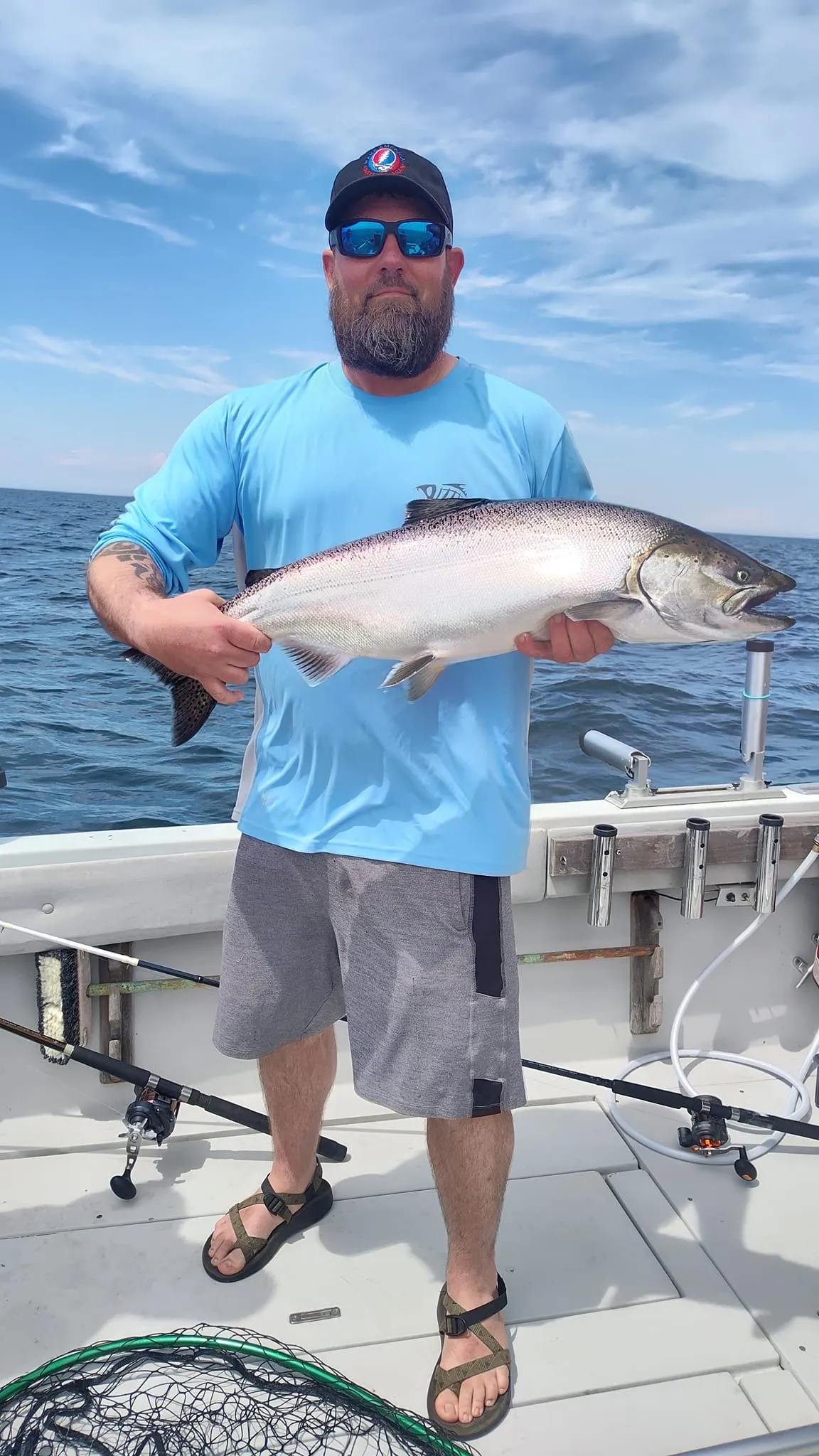
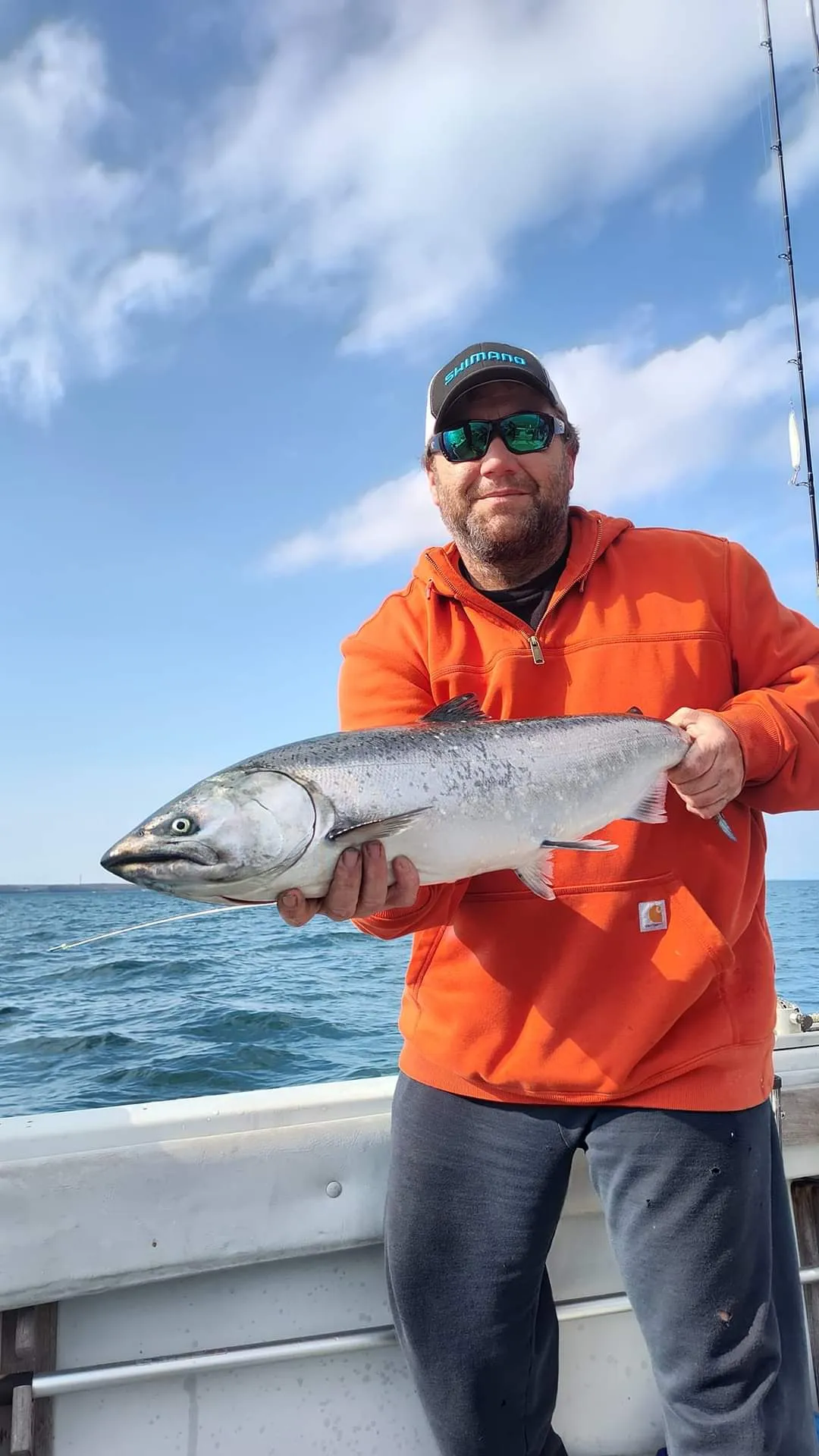
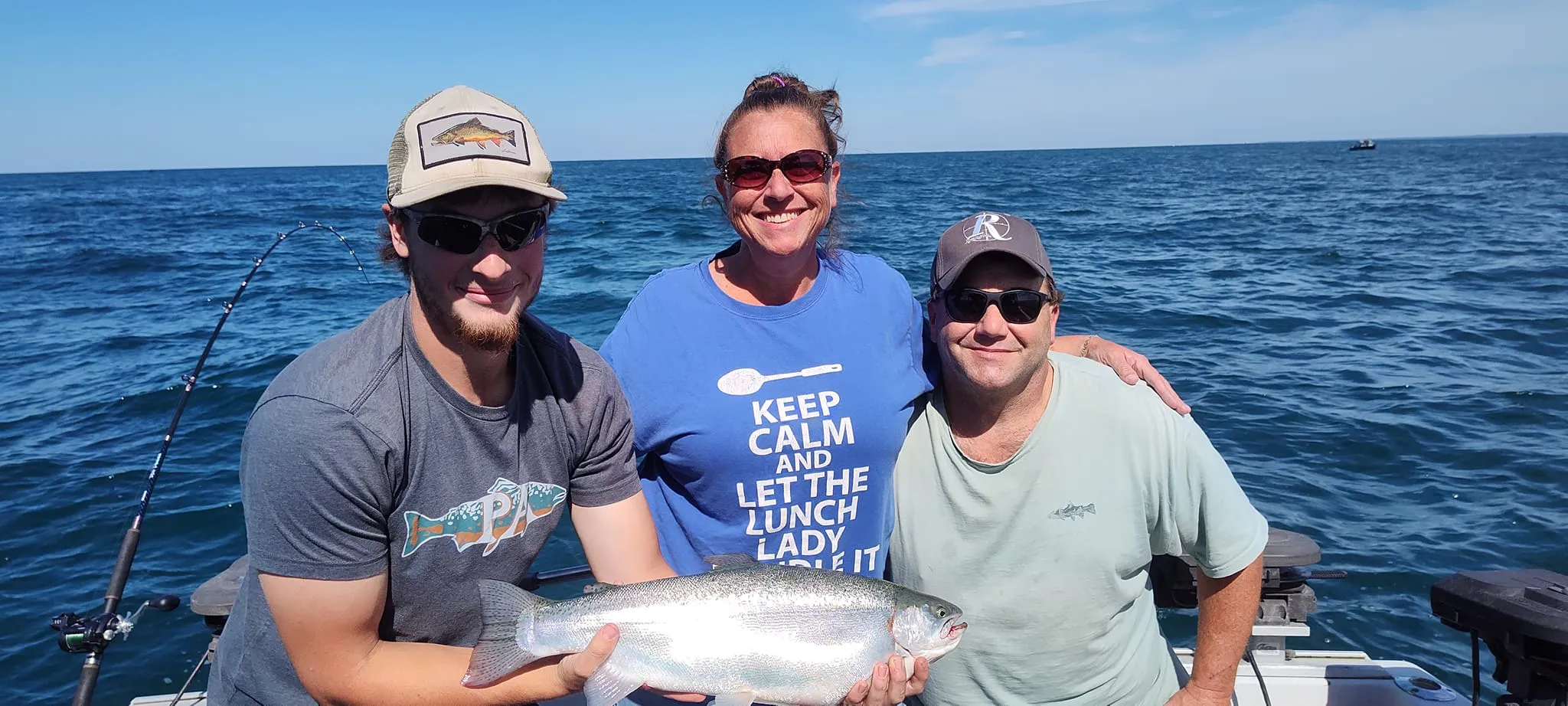
Chinook salmon are one of the most sought-after game fish in Lake Ontario, known for their size, powerful runs, and hard fights. Their movements change with water temperature, baitfish availability, and the time of year, giving anglers different opportunities across the fishing calendar. Understanding where Chinook travel and how their behavior changes can make planning salmon fishing Lake Ontario trips much easier. From deep offshore waters in summer to areas near tributaries later in the season, location and timing play a major role in finding active fish.
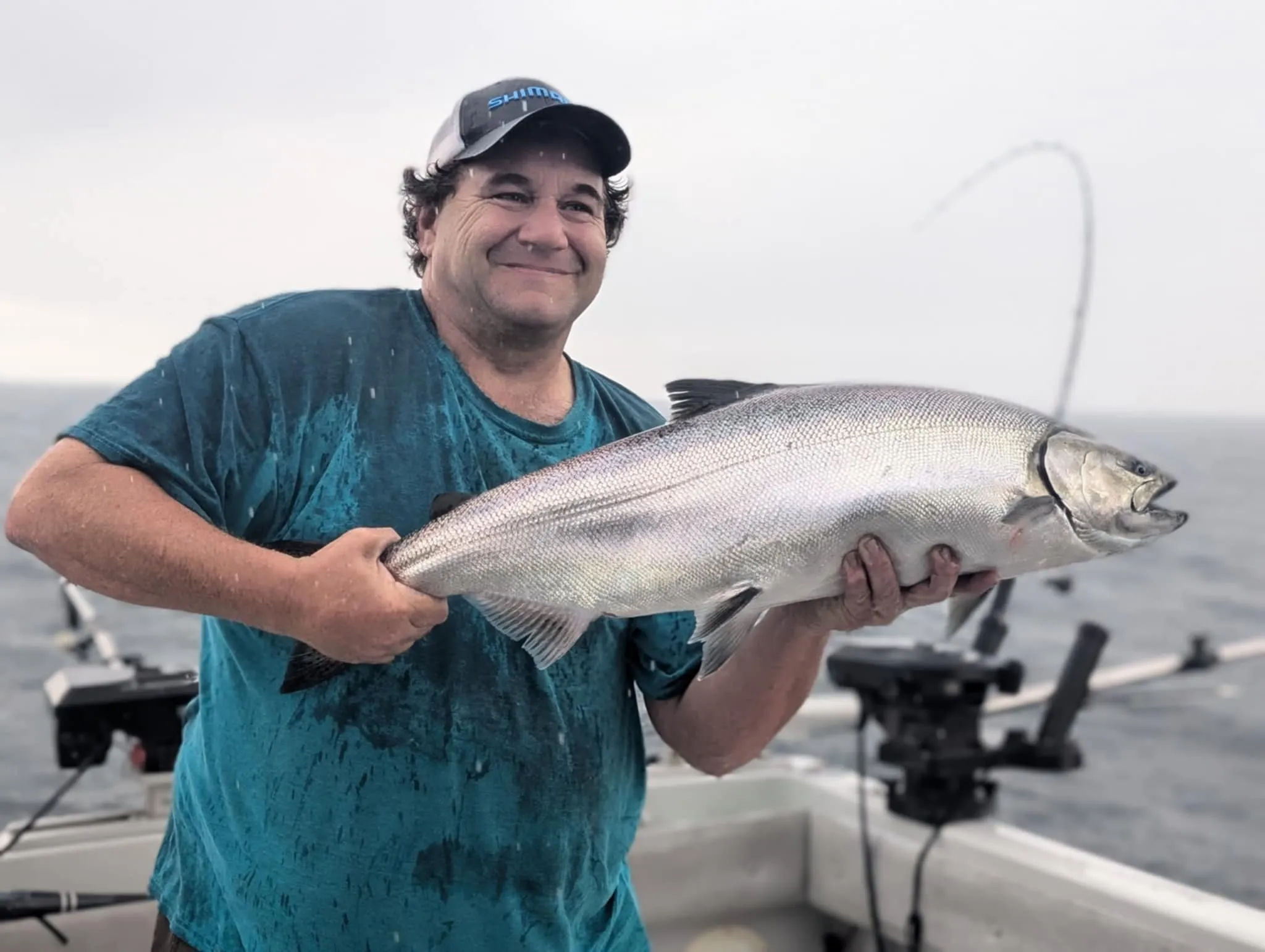
Why Is Chinook Salmon Fishing Popular on Lake Ontario?
Lake Ontario offers anglers the chance to pursue large Chinook salmon in a freshwater environment. These fish can grow to impressive sizes and are known for making long, powerful runs once hooked.
What Makes Chinook a Favorite Target?
- Size: Chinook are among the largest salmon targeted by anglers in the Lake Ontario fishery.
- Power: Their strength and fast runs make them challenging to land, even with experienced anglers.
- Seasonal movement: Fish can occupy different depths and areas as water temperatures change.
- Multiple techniques: Anglers can use trolling, spoons, plugs, and flasher-and-fly combinations to target them.
- Lake access: Open-water fishing provides opportunities to pursue Chinook across a wide range of depths.
- Tributary movement: Later in the season, Chinook move toward tributaries as part of their spawning migration.
The combination of size, seasonal movement, and varied fishing techniques makes Chinook one of the most exciting Lake Ontario fish for anglers to pursue.
Where Can You Catch Chinook Salmon on Lake Ontario?
Chinook salmon do not stay in one part of the lake throughout the year. Their location changes as they follow temperature changes and available food, then move toward tributaries later in the season.
Open Lake
During much of the warmer season, Chinook can be found in open-water areas where temperature and forage create suitable conditions. Anglers often search different depths with trolling gear to locate active fish.
Nearshore Waters
Spring and transitional periods can bring Chinook closer to shore. Baitfish concentrations and changing water temperatures can make nearshore areas worth checking.
Deeper Offshore Areas
As surface temperatures rise during summer, Chinook may move toward deeper, cooler water. Finding the right temperature zone becomes an important part of locating fish.
Tributary Mouths
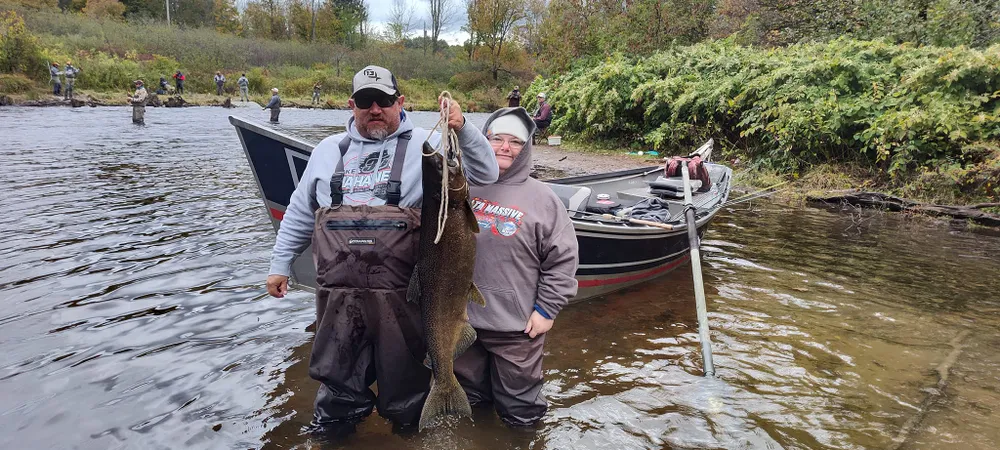
Later in the year, Chinook begin moving toward tributaries. Areas around tributary mouths can become increasingly productive as seasonal migration develops.
Oswego Area
The eastern end of Lake Ontario provides access to productive salmon waters, making salmon fishing Oswego, NY, a popular choice for anglers targeting Chinook during key parts of the season.
Best Time for Chinook Salmon Fishing Lake Ontario
Chinook salmon can be caught during several parts of the fishing season, but their location and behavior change as water temperatures and migration patterns shift. Planning around these seasonal movements can help anglers choose better fishing conditions.
Spring | March to May
- Chinook begin becoming more active as lake temperatures gradually rise.
- Nearshore areas can hold salmon and baitfish during periods of warming water.
- Transitional water temperatures can create productive feeding opportunities.
Summer | June to August
- Chinook often move toward deeper, cooler sections of the lake.
- Trolling becomes a popular way to search different depths.
- Baitfish concentrations can help identify areas worth targeting.
Late Summer | August to September
- Chinook begin preparing for their seasonal movement toward tributaries.
- Fish may gradually shift from offshore areas toward locations closer to shore.
- Salmon fishing lake Ontario can become particularly productive as migration activity increases.
Fall | September to November
- Cooling water encourages Chinook to move toward tributary systems.
- Tributary mouths and nearby lake waters can become important fishing areas.
- Salmon become increasingly focused on their spawning migration.
How to Catch Chinook Salmon on Lake Ontario
Chinook are powerful fish, so successful fishing requires equipment and techniques that can handle their size and long runs. Trolling is one of the most common approaches on the open lake because it allows anglers to cover different depths and locate active fish.
Trolling
Trolling allows anglers to present lures at controlled depths while covering a large area. Speed, lure action, and depth can all be adjusted as conditions change.
Common options include:
- Spoons in different sizes and colors
- Plugs designed for salmon
- Flasher and fly combinations
- Downriggers for reaching specific depths
- Divers for presenting lures below the surface
Follow the Fish
Chinook location can change throughout the day. Instead of keeping every setup at the same depth, anglers can spread presentations across different parts of the water column and adjust based on fish activity.
Watch the Temperature
Chinook often seek water temperatures that provide suitable conditions. Finding a productive temperature zone can be more useful than simply fishing at a particular depth.
Adjust to Conditions
Wind, baitfish movement, water clarity, and changing lake temperatures can all affect the day's bite. Successful anglers pay attention to these changes and adjust their trolling speed, lure selection, and depth accordingly.
What Depth Do Chinook Salmon Prefer?
There is no single depth where Chinook salmon remain throughout the season. Their preferred depth can change with water temperature, available forage, time of year, and the structure of the water column.
- Early season: Chinook may be available in shallower water as the lake begins warming and baitfish become more active.
- Summer: Deeper water often becomes more important as warmer surface temperatures develop. The thermocline can create a key zone for locating salmon and their forage.
- Late summer and fall: Chinook gradually shift toward areas associated with their tributary migration, changing the depths anglers need to target.
Depth-Finding Tips
- Use a fish finder to identify bait and salmon at different depths.
- Watch temperature readings instead of relying only on depth numbers.
- Adjust downriggers and divers when fish activity changes.
- Pay attention to repeated strikes at a particular depth and reproduce that presentation.
Chinook Salmon Fishing Near Oswego
Oswego is a popular starting point for anglers pursuing Chinook salmon on the eastern end of Lake Ontario. The area provides access to open-lake waters as well as locations influenced by nearby tributary systems. Fishing patterns can change quickly as salmon move between deeper water, nearshore areas, and tributary mouths.
Key Areas to Watch
- Open Lake: During summer, Chinook can be found in deeper water where temperatures and forage are favorable. Trolling allows anglers to cover different depths while searching for active fish.
- Nearshore Water: As seasons transition, Chinook may move closer to shore. Temperature changes and concentrations of baitfish can make these areas productive.
- Tributary Mouths: Late summer and fall bring increased salmon movement toward tributaries. Areas near river mouths can become important locations as the spawning migration develops.
What Gear Do You Need for Chinook Salmon?
Chinook can put considerable pressure on fishing equipment, particularly during long runs. The right combination of rod, reel, line, leader, and terminal tackle helps anglers maintain control throughout the fight.
- Rod: A medium-heavy salmon or trolling rod provides the backbone needed for larger fish.
- Reel: Choose a reel with sufficient line capacity and a smooth, reliable drag.
- Main line: Strong braided or suitable trolling line can provide the capacity and strength needed for deep-water presentations.
- Leader: Fluorocarbon or another appropriate leader material can provide abrasion resistance around terminal tackle.
- Lures: Spoons, plugs, and flasher-and-fly combinations are commonly used for Chinook.
- Downriggers: Useful for presenting lures at controlled depths during open-lake trolling.
- Landing net: A large salmon net makes bringing a powerful fish aboard easier.
- Fish finder: Electronics can help identify bait, temperature changes, and productive depths.
Lake Ontario Chinook Salmon Fishing Regulations
Before keeping a Chinook salmon, anglers need to understand the regulations that apply to the specific Lake Ontario fishery they plan to fish. Rules can cover licensing, seasons, harvest limits, and other requirements, and they can change based on current fishery conditions.
- Fishing license: Make sure you have the appropriate New York license for your residency status and fishing activity.
- Salmon regulations: Check the current rules governing Chinook salmon and Lake Ontario waters.
- Harvest limits: Confirm the applicable daily and possession limits before keeping a fish.
- Location rules: Regulations can differ between Lake Ontario, tributaries, and specific sections of connected waters.
- Season updates: Check for current changes, closures, or special restrictions before leaving for your trip.
- License requirements: Anglers researching a New York salmon fishing license should use the current New York regulations to confirm the license and requirements that apply to them.
How Weather and Lake Conditions Affect Chinook Fishing
Lake Ontario can change quickly, and daily conditions can influence where Chinook salmon are holding and how anglers should approach them. A good fishing plan leaves room to adjust based on what the lake is doing that day.
- Wind: Strong winds can change water movement and make certain areas difficult or unsafe to fish.
- Water temperature: Temperature breaks can help identify areas where Chinook and baitfish may concentrate.
- Wave conditions: Choppy water can affect trolling presentations and boat positioning.
- Baitfish activity: Finding forage can be a useful clue when searching for Chinook.
- Cloud cover: Changing light conditions can influence fish activity and lure presentation.
- Water clarity: Visibility can affect how salmon respond to different lures and presentations.
Why Fish for Chinook With Current Situation Sport Fishing and Charters?
We know that successful Chinook salmon fishing takes more than picking a date and heading onto Lake Ontario. At Current Situation Sport Fishing and Charters, we use our local experience to plan around seasonal fish movements, productive depths, water conditions, and proven trolling techniques. We provide the equipment, fishing setup, and guidance needed for your trip, while adjusting our approach as conditions change throughout the day. Our goal is to give you more time focused on fishing and less time figuring out where and how to fish. When you join us for Lake Ontario fishing trips, we plan the experience around the season, current conditions, and the species you want to target.
Conclusion
Chinook salmon fishing on Lake Ontario offers exciting opportunities across multiple seasons, but timing, depth, water temperature, and fish movement all influence the experience. Summer can bring productive deep-water action, while late summer and fall can see Chinook moving toward tributaries. Choosing the right gear and adjusting your approach to current conditions can make a major difference. For a guided trip focused on finding and targeting Chinook, plan your next Lake Ontario fishing adventure with Current Situation Sport Fishing and Charters.
FAQs About Chinook Salmon Fishing Lake Ontario
- When is the best time for Chinook salmon fishing on Lake Ontario?
Summer through fall can provide excellent Chinook opportunities, with fish moving from deeper lake waters toward tributaries as the season progresses. - Where can I catch Chinook salmon on Lake Ontario?
Chinook can be found in offshore waters, nearshore areas, and around tributary mouths, depending on the season and water conditions. - What depth do Chinook salmon prefer in Lake Ontario?
Their preferred depth changes throughout the year. During warmer months, Chinook often seek deeper, cooler water. - What is the best technique for catching Chinook salmon?
Trolling is a popular technique on Lake Ontario. Spoons, plugs, and flasher-and-fly combinations can all be used. - Are Chinook salmon available near Oswego?
Yes. Oswego provides access to Lake Ontario waters where Chinook can be targeted during different parts of the fishing season. - What gear do I need for Chinook salmon fishing?
Anglers generally need strong trolling rods, reels with reliable drag systems, suitable line and leaders, salmon lures, and equipment such as downriggers. - Can I catch Chinook salmon in the fall?
Yes. Fall is an important period as Chinook move toward tributaries for their seasonal spawning migration. - Do I need a license to fish for Chinook salmon in Lake Ontario?
Anglers must have the appropriate fishing license and follow the current regulations that apply to the New York waters they plan to fish. - Are Lake Ontario fishing charters suitable for Chinook salmon?
Yes. A charter can provide access to specialized equipment, local knowledge, and techniques suited to seasonal Chinook fishing. - What should I check before a Chinook salmon fishing trip?
Check current fishing regulations, licensing requirements, weather, lake conditions, seasonal fish movement, and the equipment needed for your planned fishing method.