Best Time To Fish Lake Ontario
Published: November 18, 2026
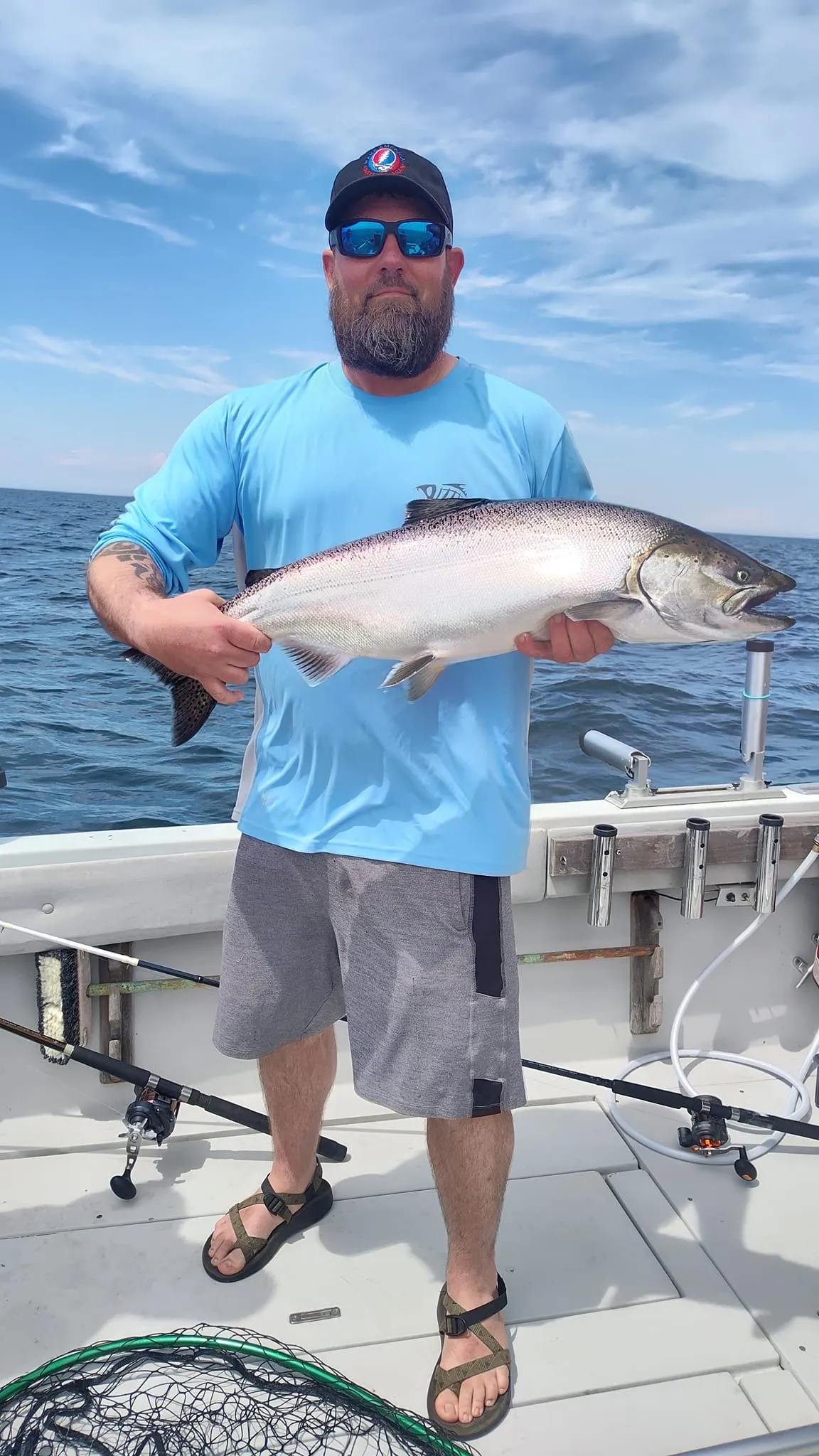
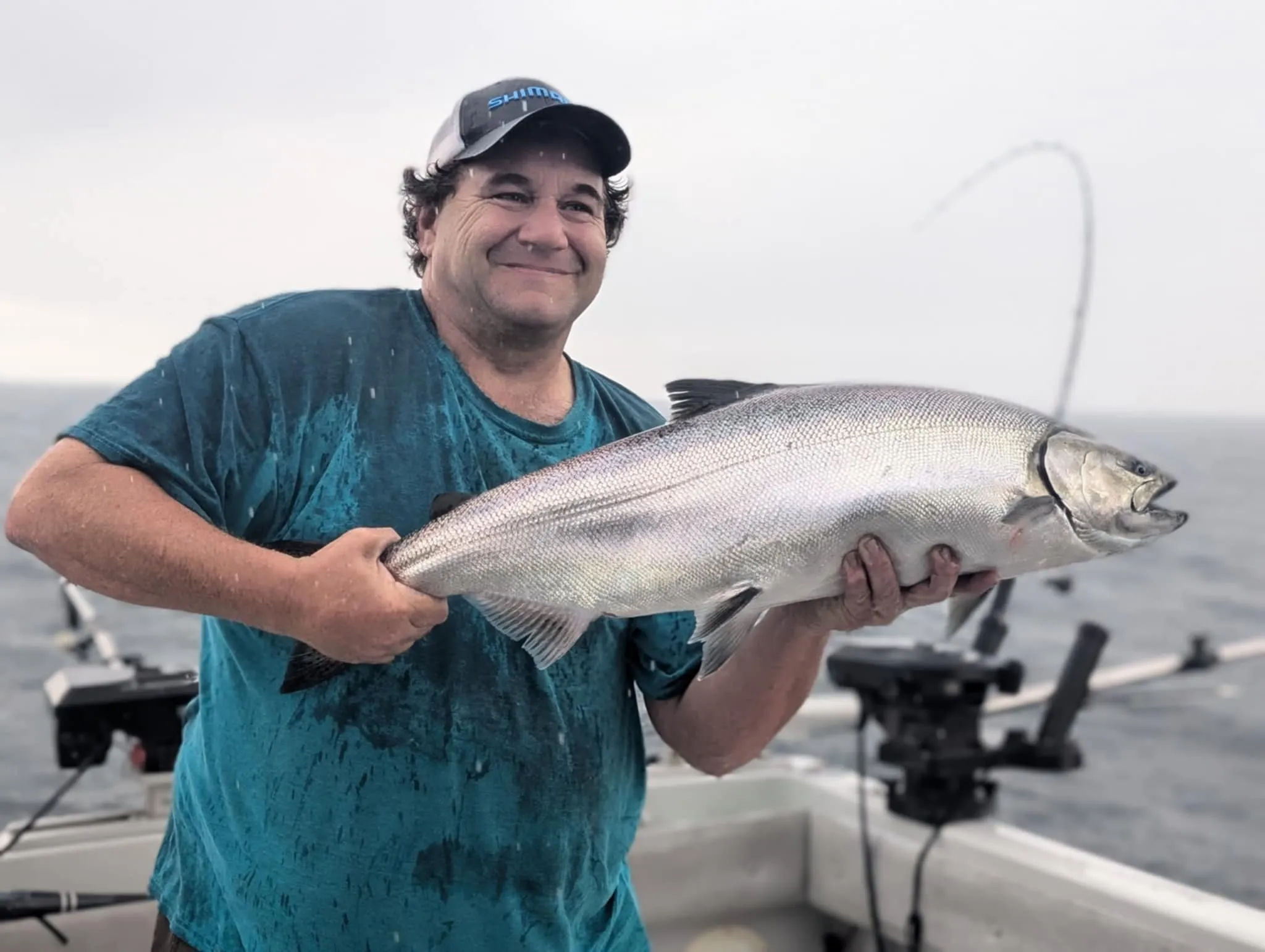
Lake Ontario offers different fishing opportunities throughout the year, but the best time to fish depends largely on the species you want to target. Salmon, trout, and steelhead respond to changing water temperatures, food availability, and seasonal migration patterns, so fish location can shift considerably from one month to the next. Spring can bring productive nearshore fishing, summer often pushes fish into deeper water, and fall creates exciting salmon and trout opportunities near tributaries. Understanding these patterns can help anglers plan fishing Lake Ontario trips around the conditions most suitable for their target species.
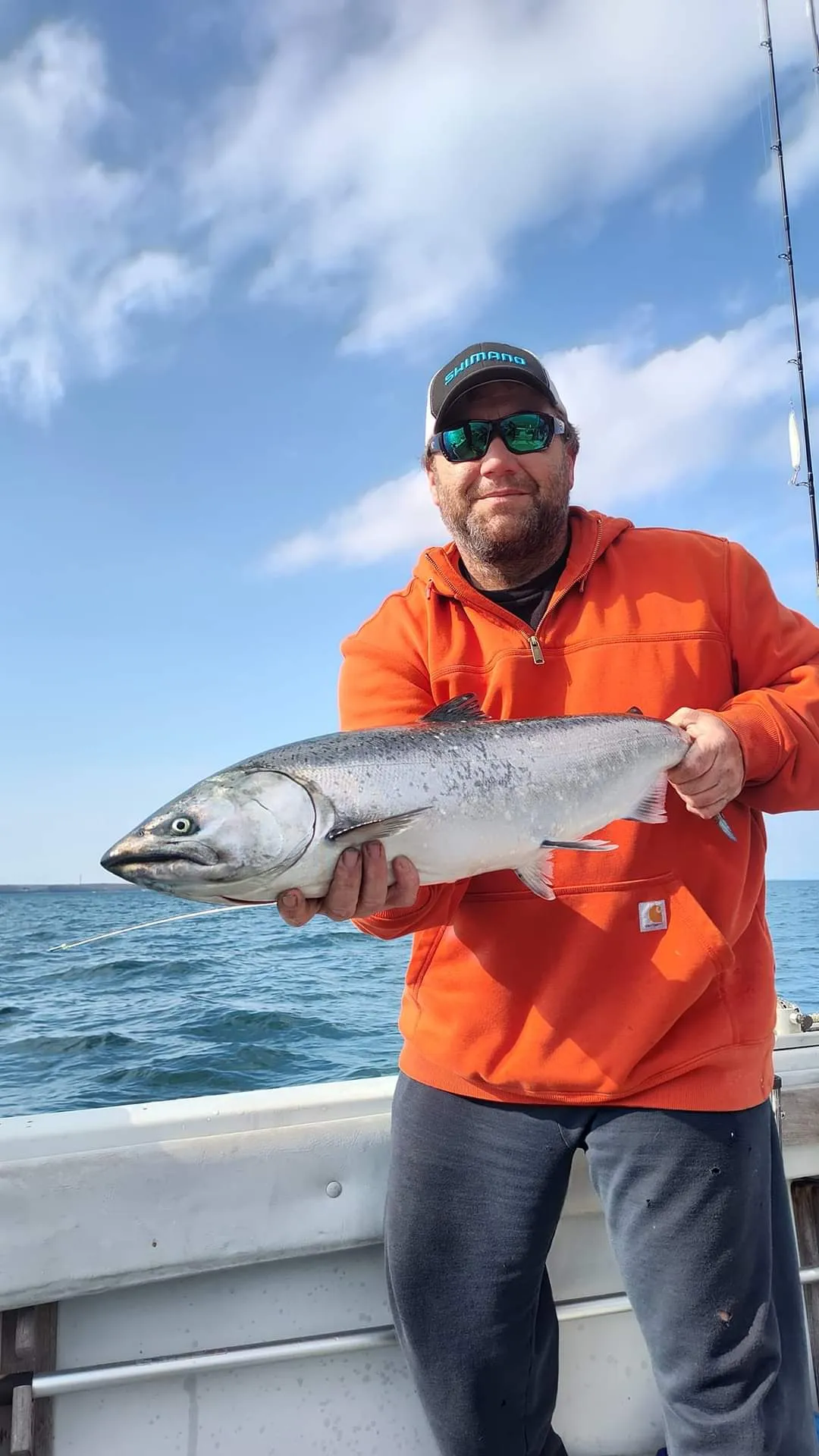
When Is the Best Time to Fish Lake Ontario?
There is no single month that produces the best fishing across the entire lake. Each season creates different opportunities based on fish movement, water temperature, and fishing location.
Spring | March to May
- Trout and salmon become more active as water temperatures rise.
- Nearshore areas can provide good access to fish.
- Baitfish movement can influence where predators concentrate.
- Cooler water can make some species easier to target at shallower depths.
Summer | June to August
- Warmer surface water can push salmon and trout deeper.
- Offshore fishing becomes increasingly important.
- Trolling can help anglers cover different depths.
- Early morning trips can provide comfortable conditions before the day's heat and wind increase.
Fall | September to November
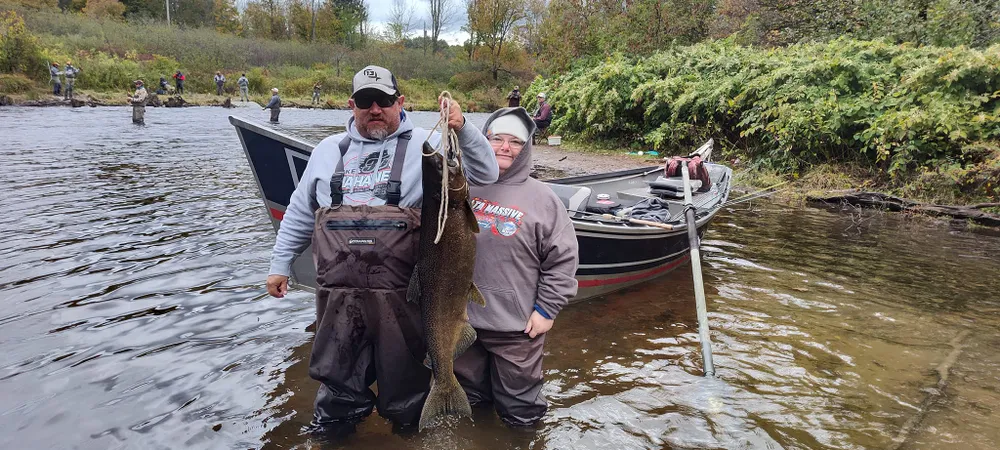
- Cooling water triggers seasonal movement toward tributaries.
- Salmon become a major target for many anglers.
- Trout can also become more active around tributary areas.
- River conditions become increasingly important for anglers fishing connected waterways.
Winter | December to February
- Cold conditions shift many fishing opportunities toward tributaries.
- Steelhead become an important target in suitable rivers and streams.
- Water levels and clarity can strongly affect river fishing.
- Weather conditions may limit access and safe fishing days.
Anglers planning lake ontario fishing trips should choose the season based on the species and fishing environment they want to experience.
Best Time to Catch Different Fish in Lake Ontario
Lake Ontario supports several popular game fish, and their seasonal patterns are not identical. Target species should be one of the first things anglers consider when deciding when to fish.
Salmon
Salmon can be targeted during multiple seasons, but their location changes as the year progresses.
- Spring: Opportunities develop in the lake as water temperatures rise.
- Summer: Salmon can move into deeper, cooler water where conditions are more suitable.
- Late summer: Fish begin shifting toward areas associated with their upcoming tributary migration.
- Fall: Salmon become increasingly concentrated around tributary systems during their spawning migration.
Trout
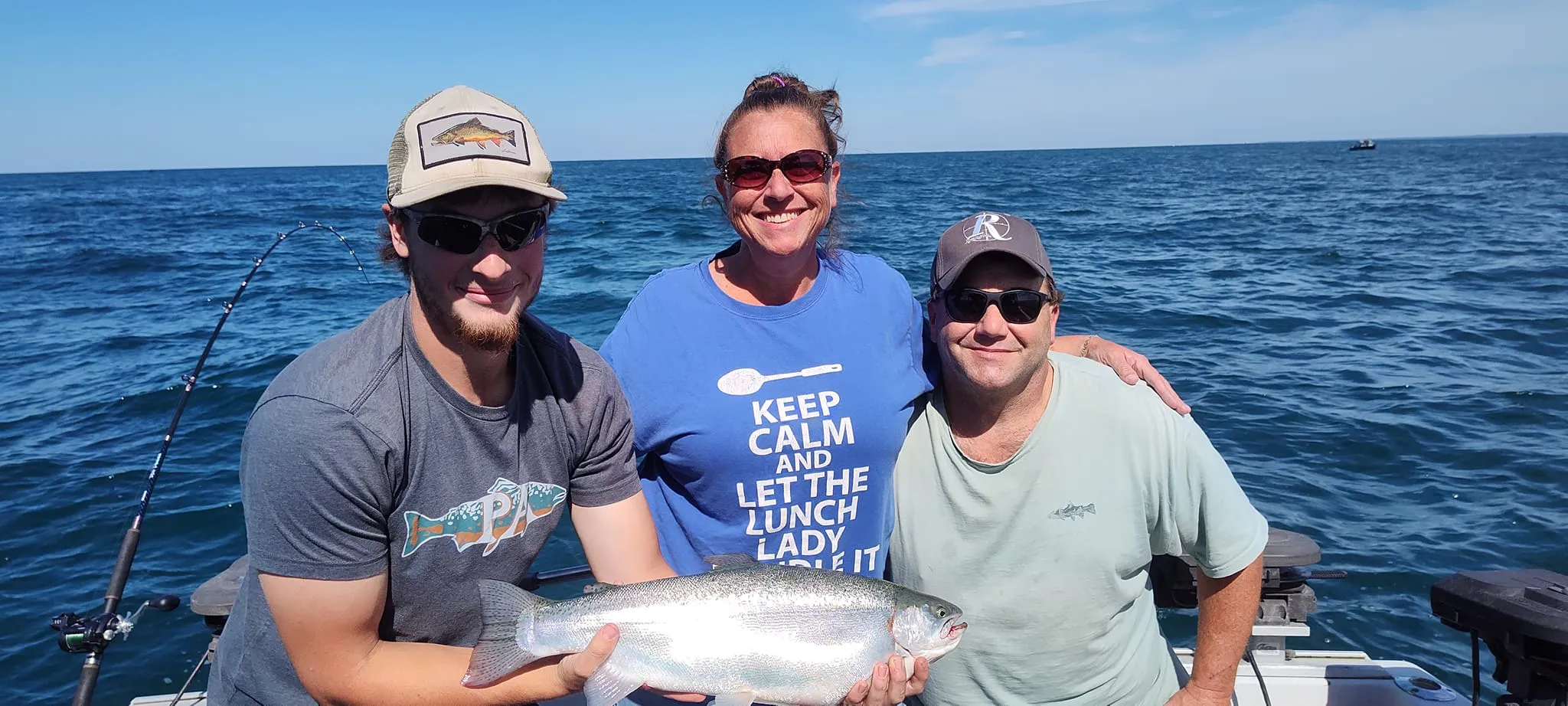
Trout species respond closely to changes in water temperature and depth, creating different opportunities throughout the year.
- Spring: Warming water can bring trout toward shallower areas where feeding activity increases.
- Summer: Trout often seek deeper, cooler water as surface temperatures rise.
- Late summer: Changes in temperature and baitfish movement can influence trout location.
- Fall: Cooling water can bring trout toward shallower areas and tributaries.
Steelhead
Steelhead follow seasonal movements between Lake Ontario and its tributaries, creating different fishing opportunities throughout the year. Steelhead fishing Lake Ontario can be productive during periods of active migration and cooler water conditions.
- Spring: Steelhead can remain active in tributaries as water temperatures gradually increase.
- Summer: Warmer conditions can change their location and reduce opportunities in some tributary areas.
- Late summer: Cooling conditions begin creating more favorable movement toward tributary systems.
- Fall: Steelhead become increasingly available in tributaries as seasonal migration gets underway.
Lake Ontario Fishing by Season
The fishing calendar on Lake Ontario changes as water temperatures, baitfish, and fish movements shift throughout the year. The best season depends on the species you want to target and the type of fishing experience you prefer.
Spring Fishing
Spring brings warming water and increasing fish activity, especially in shallower areas.
- March: Cooler water keeps many fish closer to shore and connected waterways.
- April: Trout and salmon activity can increase as feeding opportunities improve.
- May: Warming conditions create more opportunities for lake-based fishing and trolling.
- Best for: Early-season trout and salmon opportunities.
Summer Fishing
Summer often creates strong opportunities for anglers targeting fish in deeper sections of the lake.
- June: Fish begin responding to warmer surface temperatures and changing baitfish locations.
- July: Deeper water can become important for salmon and trout.
- August: Offshore trolling can be productive as anglers search different depths.
- Best for: Deep-water salmon and trout fishing.
Fall Fishing
Fall is a major period for salmon fishing as cooler water influences fish movement toward tributaries.
- September: Salmon activity can increase near tributary mouths and surrounding areas.
- October: Cooling water supports increased seasonal movement.
- November: Tributary fishing becomes increasingly important for salmon and steelhead.
- Best for: Salmon and steelhead opportunities.
Winter Fishing
Winter shifts much of the attention away from open-lake fishing and toward tributary systems.
- December: Steelhead can provide opportunities in suitable tributaries.
- January: Cold water and weather conditions can affect access and fish movement.
- February: Changing temperatures can signal the beginning of the transition toward spring fishing.
- Best for: Steelhead and other cold-water tributary opportunities.
What Time of Day Is Best for Lake Ontario Fishing?
The best time of day depends on the species, fishing method, weather, and water conditions. Starting early can give anglers several advantages, but afternoon and evening trips can also produce good results under the right conditions.
Early Morning
- Cooler conditions can make the start of the trip more comfortable.
- Low-light periods may encourage active feeding.
- Calm water can make it easier to locate and work productive areas.
Midday
- Deeper water can become important as sunlight increases.
- Trolling allows anglers to cover different depths while searching for active fish.
- Changes in wind can influence where baitfish and predators concentrate.
Late Afternoon and Evening
- Cooling conditions can change fish activity again.
- Lower light may create another feeding period.
- Evening trips can be useful when weather and lake conditions remain stable.
For anglers planning fish on Lake Ontario trips, the time of day should be considered alongside wind, temperature, wave conditions, and the target species.
How Water Temperature Affects Fishing Timing
Water temperature plays an important role in determining where fish are likely to be found and how actively they feed. Different species have different temperature preferences, so changing conditions can alter both location and fishing depth.
- Cold water: Fish may move more slowly and concentrate in areas offering suitable conditions.
- Warming water: Increasing temperatures can trigger feeding activity and seasonal movement.
- Warm surface water: Salmon and trout may seek deeper, cooler areas during summer.
- Cooling fall water: Seasonal cooling can encourage salmon and steelhead to move toward tributaries.
Anglers researching fish species Lake Ontario opportunities should pay attention to temperature trends instead of relying only on the calendar. A few degrees of change can alter the depth, location, and activity level of the fish being targeted.
Best Time for Lake Ontario Fishing Near Oswego
Oswego sits along the eastern shore of Lake Ontario and provides access to both lake and tributary fishing. Fishing conditions change considerably throughout the year, so the best time to visit depends on the species you want to pursue.
Spring: Trout and Early Salmon Opportunities
Spring fishing can be productive as cooler waters begin to warm and fish become more active.
March to April
- Trout can provide opportunities in shallower water.
- Warming conditions increase feeding activity.
- Nearshore areas can become productive during favorable weather.
May
- Salmon activity begins increasing in the lake.
- Trolling becomes a useful way to search different depths.
- Water temperature becomes an important factor in locating fish.
Summer: Deep-Water Fishing
Summer is a strong period for anglers targeting salmon and trout on Lake Ontario.
- Fish may move into deeper, cooler water as surface temperatures rise.
- Trolling allows anglers to cover a wider range of depths.
- Early starts can provide calmer lake conditions before winds increase.
Fall: Salmon Season
Fall brings major seasonal movement toward tributaries around Oswego.
- Salmon become increasingly concentrated near tributary systems.
- Cooling water influences fish movement.
- Tributary mouths and nearby lake areas can become key fishing locations.
Planning a Lake Ontario Fishing Charter
The right charter depends on more than the date on the calendar. Think about what you want from the trip before making a reservation. Start With Your Fishing Goal
Want salmon?
Summer and fall can provide strong opportunities, with fish moving into different areas as the season progresses.
Prefer trout?
Spring and summer can offer different ways to target trout, from shallower water to deeper lake environments.
Interested in steelhead?
Fall and winter can provide opportunities around tributaries as seasonal movement increases.
Then Consider the Trip Details
- Trip duration: Decide how much time you want to spend on the water.
- Group size: Make sure the charter setup suits everyone in your party.
- Fishing method: Ask about trolling, drifting, or other techniques used during the season.
- Equipment: Confirm which rods, reels, tackle, and other gear are supplied.
- Weather policy: Understand how wind and lake conditions may affect the trip.
- Location: Look for charter fishing Oswego NY options that regularly fish the Lake Ontario waters near Oswego.
Fish Species You Can Target on Lake Ontario
One of the advantages of fishing Lake Ontario is the variety of species available across different seasons. Your target fish can also influence the best location, depth, and fishing technique.
Salmon
- Chinook Salmon: A major target during summer and fall.
- Coho Salmon: Can be found in lake and tributary environments during seasonal movements.
- Atlantic Salmon: Present in the Lake Ontario system, with opportunities depending on location and regulations.
Trout
- Lake Trout: Often associated with deeper, cooler water, particularly during warmer months.
- Brown Trout: Can be targeted in both lake and tributary environments.
- Rainbow Trout: Also present in the Lake Ontario system and connected waterways.
Steelhead
Steelhead are especially associated with tributary fishing during their seasonal movements. Their availability can change with water temperature, flow, and migration timing. For anglers researching fish species Lake Ontario, knowing the seasonal behavior of each species makes it easier to choose the right time and fishing approach.
Fish Lake Ontario With Current Situation Sport Fishing and Charters
Planning a Lake Ontario fishing trip is easier when you have local knowledge behind your day on the water. Current Situation Sport Fishing and Charters provides guided fishing experiences focused on the seasonal patterns that influence salmon, trout, and other popular species. From selecting productive areas to adjusting tactics as conditions change, a charter can give anglers more time to focus on fishing instead of figuring out the lake on their own. Trip planning can also take seasonal fish movement, weather, water temperature, and target species into account, helping you choose a time that fits your fishing goals.
Conclusion
The best time to fish Lake Ontario depends on your target species, location, water temperature, and seasonal fish movement. Spring can bring trout and early salmon opportunities, summer is well suited to deeper-water fishing, and fall can offer excellent salmon and steelhead action near tributaries. Winter shifts more attention toward tributary fishing. Planning around these seasonal patterns can help you choose a more productive time to visit. For local guidance and a fishing trip planned around current conditions, contact Current Situation Sport Fishing and Charters.
FAQs About the Best Time to Fish Lake Ontario
- What is the best month to fish Lake Ontario?
The best month depends on the species. Summer and fall are popular for salmon, while spring can provide strong trout opportunities. - What is the best time of year for salmon fishing on Lake Ontario?
Summer and fall are key periods for salmon, with fish moving into different areas as the season progresses. - Can you fish Lake Ontario in the winter?
Yes. Winter fishing opportunities are more commonly focused on tributaries, particularly for steelhead and other cold-water species. - What is the best time to catch trout in Lake Ontario?
Spring can offer good trout fishing as water temperatures rise. Summer can also be productive when anglers target deeper, cooler water. - When is the best time for steelhead fishing in Lake Ontario?
Fall and winter can provide strong opportunities as steelhead move into tributaries during seasonal migrations. - Is summer a good time for fishing Lake Ontario?
Yes. Summer is a popular period for salmon and trout, particularly when anglers adjust their techniques to reach deeper water. - What time of day is best for fishing Lake Ontario?
Early morning can offer favorable conditions, but the best time can vary with weather, wind, water temperature, and the target species. - When is the best time for fishing near Oswego, NY?
Fishing near Oswego changes throughout the year. Spring can bring trout and salmon opportunities, summer favors deeper-water fishing, and fall is an important period for salmon. - Are fishing charters available on Lake Ontario year-round?
Charter availability depends on the season, weather, target species, and individual charter operations. Checking seasonal schedules before booking is recommended. - What should I check before planning a Lake Ontario fishing trip?
Check the target species, seasonal fishing conditions, weather, water conditions, licensing requirements, regulations, and available charter dates before your trip.