Lake Ontario Fish Species Guide
Published: November 18, 2026
Lake Ontario supports a wide range of freshwater fish, making it a popular destination for anglers throughout the year. The species available can change with the season, water temperature, depth, and location. Salmon and trout are major targets for boat anglers, while bass, walleye, perch, and other species provide additional opportunities closer to shore and in suitable habitats. Understanding the different Lake Ontario fish species can help anglers choose the right time, location, and fishing method. The Oswego area also provides access to important Lake Ontario fishing grounds and tributaries, giving anglers several ways to target seasonal species.
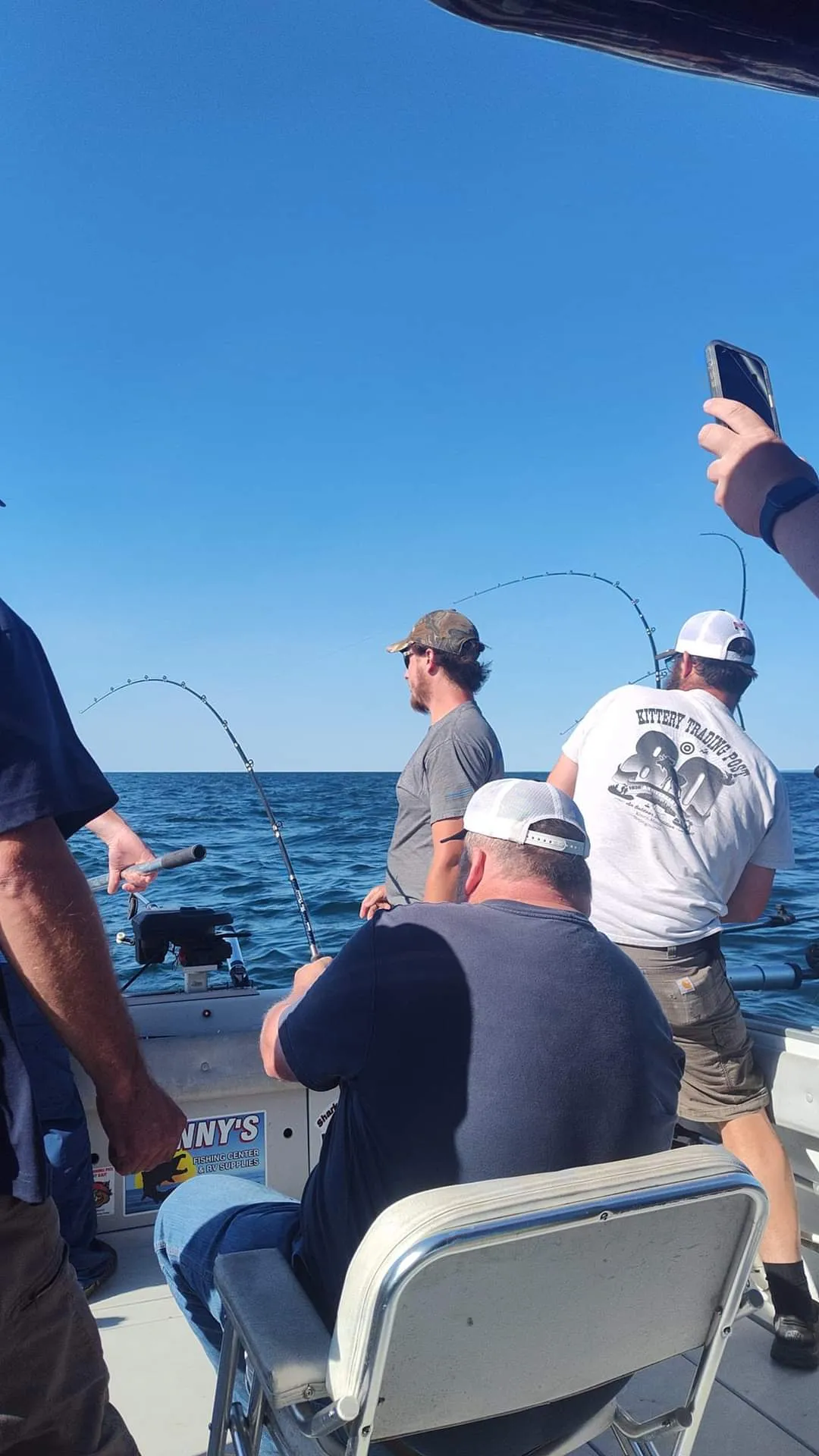
What Fish Are in Lake Ontario?
Lake Ontario contains a diverse mix of cold-water and warm-water species. Some fish spend most of their lives in the lake, while others move between the lake and connected tributaries during seasonal migrations.
Main Lake Ontario Fish Species
Here are some of the most notable species anglers may target:
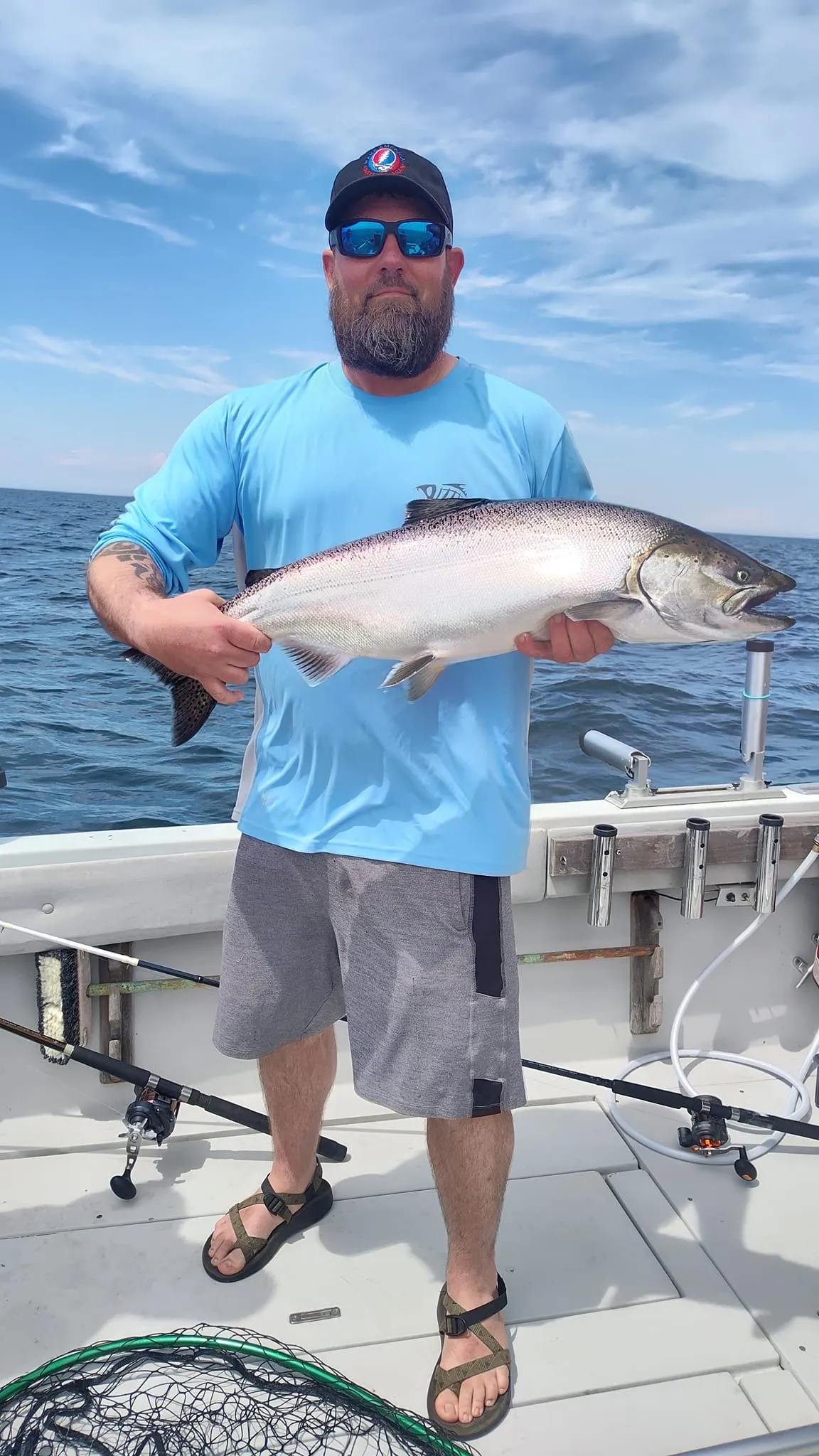
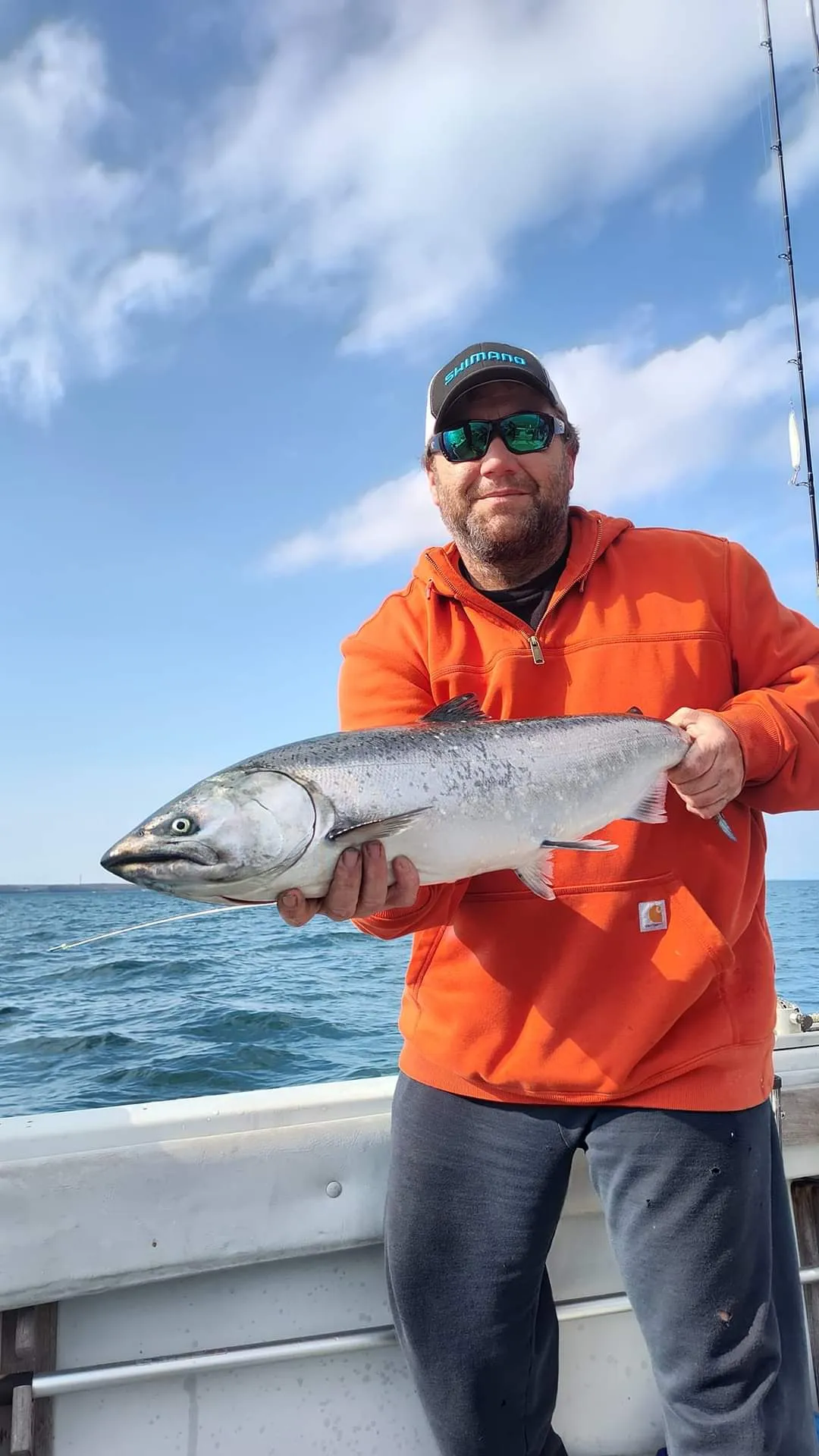
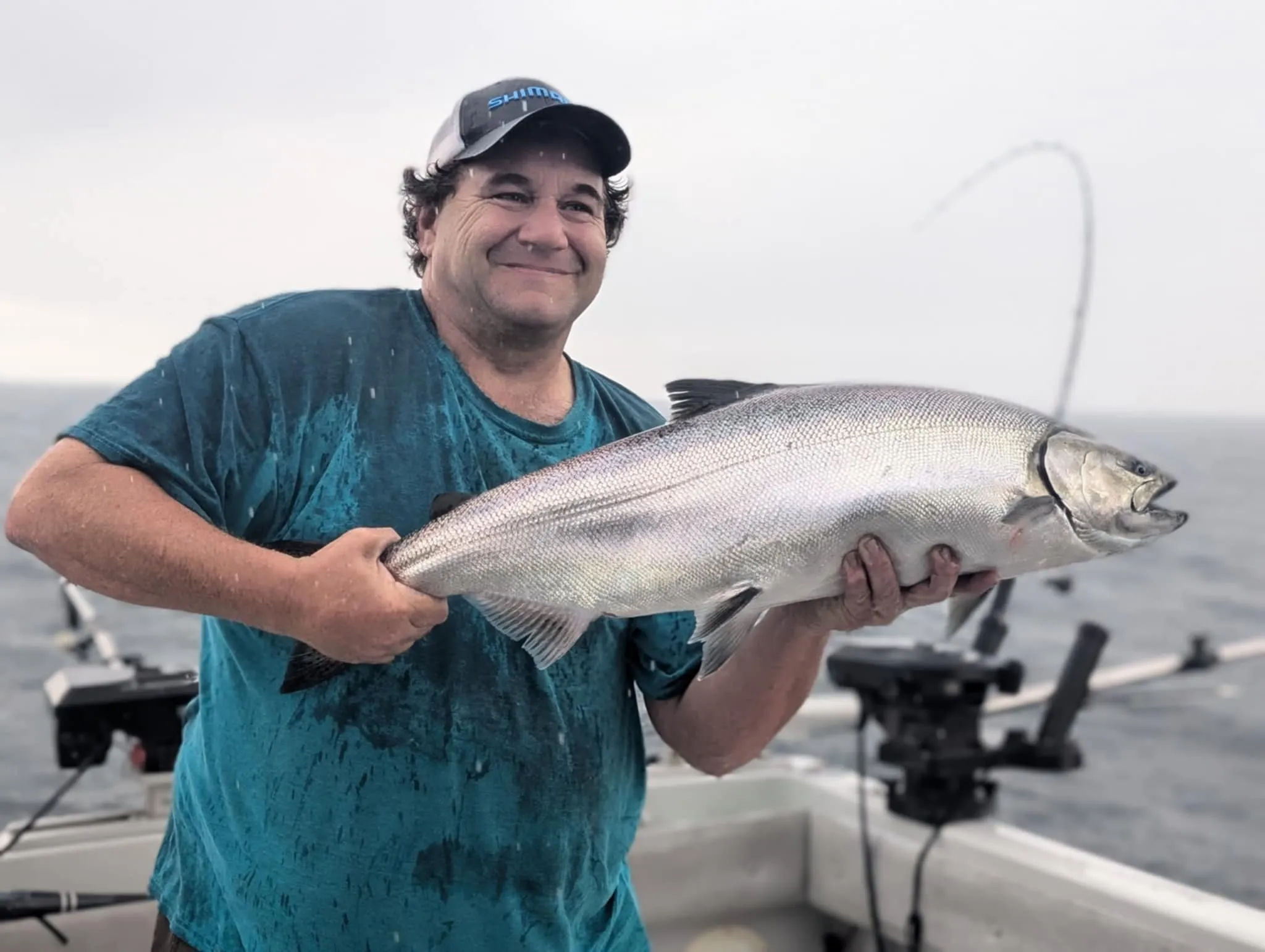
- Chinook salmon: A major sport fish known for its size, strength, and offshore fishing opportunities.
- Coho salmon: An important salmon species that can be targeted in the lake and during seasonal movements.
- Lake trout: A cold-water species often associated with deeper sections of the lake.
- Brown trout: Found in both lake and tributary environments, with seasonal movements affecting where anglers find them.
- Rainbow trout and steelhead: Rainbow trout can migrate between Lake Ontario and tributaries, creating seasonal steelhead fisheries.
- Atlantic salmon: Present in Lake Ontario and its tributary system, although opportunities vary by location and season.
- Smallmouth bass: A popular warm-water species often associated with rocky structure and shallower areas.
- Walleye: Found in suitable areas and targeted using techniques suited to their seasonal movements.
- Yellow perch: A common freshwater species that provides opportunities for anglers in different parts of the lake.
- Northern pike: Found in suitable habitats around Lake Ontario and connected waters.
Why Fish Species Behave Differently
The species of fish in Lake Ontario do not all use the same habitat. Water temperature, available food, depth, spawning behavior, and seasonal movement can influence where each species is found.
Salmon Species in Lake Ontario
Salmon are among the most sought-after fish in Lake Ontario, with several species offering different fishing opportunities throughout the year. While Chinook, coho, and Atlantic salmon share the same lake system, they differ in size, habitat, seasonal movement, and fishing behavior.
Chinook Salmon
- Habitat: Chinook can be found in offshore and nearshore areas of Lake Ontario and move into tributaries during their seasonal spawning migration.
- Best Time: Summer offers strong offshore opportunities, while late summer and fall bring increased tributary activity.
- How to Catch: Trolling is a common method in the lake, while casting and other techniques can be used in tributary areas.
- What to Know: Chinook are known for their large size and powerful runs, making them a popular target for anglers seeking a strong fight.
Coho Salmon
- Habitat: Coho use open-water areas of Lake Ontario and move toward tributaries during seasonal migrations.
- Best Time: Summer and fall can provide good opportunities, with timing depending on water conditions and fish movement.
- How to Catch: Trolling is commonly used from boats, while tributary anglers can use casting and other suitable presentations.
- What to Know: Coho are generally smaller than Chinook but are active and hard-fighting fish that appeal to anglers targeting salmon.
Atlantic Salmon
- Habitat: Atlantic salmon can be found in Lake Ontario and connected tributary systems, although their distribution varies by location.
- Best Time: Opportunities are seasonal and depend on fish movement, water conditions, and the specific area being fished.
- How to Catch: Techniques vary between lake and tributary environments, with boat and shore-based methods both possible.
- What to Know: Atlantic salmon are an important part of the Lake Ontario fishery but are generally less common as a target than Chinook and coho.
Salmon Around Oswego
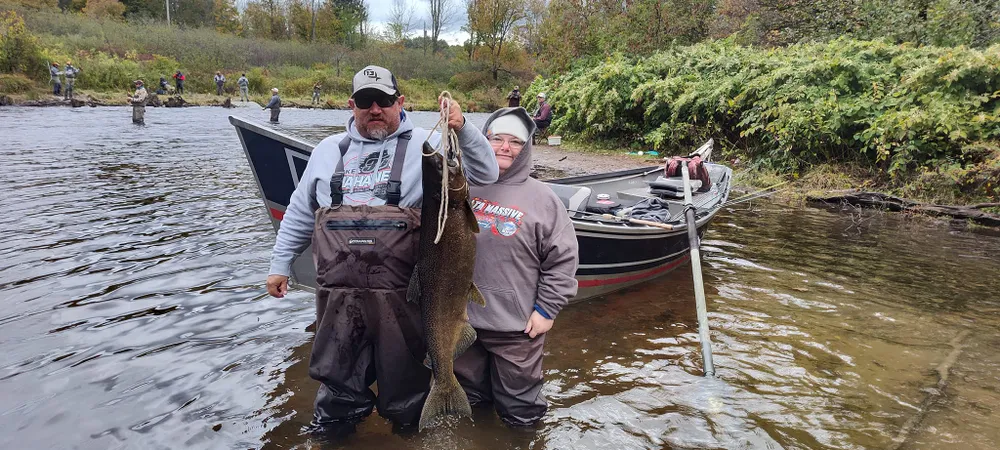
The Oswego area provides access to Lake Ontario and connected tributaries where seasonal salmon movement creates fishing opportunities. Anglers planning salmon fishing Oswego NY can choose between lake and tributary fishing based on the time of year and current conditions.
Trout Species in Lake Ontario
Lake Ontario supports several trout species, each with its own habitat preferences and seasonal behavior. Using the same factors for each species makes it easier to compare where to find them, when to fish, and which techniques to consider.
Lake Trout
- Habitat: Lake trout are commonly associated with deep, cool water and areas with suitable underwater structure.
- Best Time: They can be targeted throughout much of the year, with deeper water becoming especially important during warmer months.
- How to Catch: Trolling at specific depths is a common approach for anglers targeting lake trout.
- What to Know: Lake trout are well suited to the cold, deep-water environment found in Lake Ontario.
Brown Trout
- Habitat: Brown trout use both Lake Ontario and connected tributaries, with their location changing according to season and water conditions.
- Best Time: Cooler periods can provide strong opportunities in nearshore areas and tributaries.
- How to Catch: Anglers may use trolling, casting, or tributary fishing techniques depending on the location.
- What to Know: Brown trout can move between lake and river environments, making seasonal location changes important.
Rainbow Trout
- Habitat: Rainbow trout can live in Lake Ontario and connected tributaries. Lake-migrating rainbow trout are commonly known as steelhead.
- Best Time: Cooler months can provide opportunities in tributaries, while lake fishing offers different seasonal possibilities.
- How to Catch: Techniques vary from trolling in the lake to casting and other presentations in tributaries.
- What to Know: Their ability to move between the lake and tributaries makes rainbow trout an important part of the Lake Ontario fishery.
For anglers interested in Lake Ontario trout, comparing habitat, timing, and fishing methods can help narrow down the right species and location.
Steelhead and Other Lake Ontario Fish
Lake Ontario offers more than salmon and trout. Several other species give anglers opportunities in different parts of the lake and during different seasons.
Steelhead
Steelhead are rainbow trout that migrate between Lake Ontario and its tributaries. Their seasonal movement makes them an important target for anglers fishing connected rivers and streams.
- Fall: Cooling water can bring steelhead into tributaries alongside migrating salmon.
- Winter: Some steelhead remain in tributaries, creating cold-weather fishing opportunities.
- Spring: Fish may continue moving through tributaries before returning toward the lake.
For anglers planning steelhead fishing lake Ontario, tributary flow, water temperature, clarity, and current regulations are important factors to consider.
Smallmouth Bass
Smallmouth bass are popular warm-water fish that are often associated with rocky structure, drop-offs, and other areas where they can feed.
Walleye
Walleye can be found in suitable Lake Ontario habitats and connected waters. Their location can change with depth, light levels, temperature, and seasonal movements.
Yellow Perch and Northern Pike
Yellow perch and northern pike provide additional opportunities in suitable areas. Their availability and preferred habitat can vary by location, making local conditions important when deciding where to fish.
Where Do Different Fish Species Live in Lake Ontario?
Knowing what fish are in Lake Ontario is only part of planning a fishing trip. Species move between different parts of the lake based on water temperature, food, depth, and spawning activity.
Nearshore Waters
Shallow water and areas close to shore can become productive during cooler periods or when fish move toward tributaries.
- Common targets: Smallmouth bass, yellow perch, brown trout, and seasonal salmon activity
- Look for: Rocky structure, drop-offs, baitfish, current, and river mouths
- Best approach: Casting, light tackle, trolling, and live bait depending on the species
Deep Offshore Water
Deeper water provides cooler habitat and can hold cold-water species, especially as surface temperatures rise.
- Common targets: Chinook salmon, coho salmon, and lake trout
- Look for: Temperature changes, underwater structure, bait concentrations, and productive depth ranges
- Best approach: Trolling is a popular choice for covering water and presenting baits at different depths
Tributaries and River Mouths
Connected rivers become especially important when salmon and trout move out of the lake during seasonal migrations.
- Common targets: Chinook salmon, coho salmon, steelhead, brown trout, and Atlantic salmon
- Look for: Current breaks, deeper pools, moving water, and areas where lake and river conditions meet
- Best approach: Casting, drifting, and other shore or boat-based techniques suited to the specific fishery
Best Time to Catch Lake Ontario Fish
There is no single best month for every fish species Lake Ontario offers. The strongest opportunity depends on the species you want to target, water temperature, and where fish are holding during each season.
Spring: Nearshore Trout and Early Opportunities
As the water begins warming, trout often become more active in shallower areas. Brown trout can provide good nearshore opportunities, while lake trout and early salmon opportunities develop as conditions change.
Good targets: Brown trout, lake trout, salmon, and steelhead
Best setup: Focus on nearshore areas, shallow structure, and river mouths. Casting and light trolling can help locate trout, while adjusting depth as water temperatures change can improve your chances.
Summer: Offshore Salmon and Lake Trout
Warmer surface water pushes many cold-water species toward deeper, cooler areas. Summer is a popular period for anglers fishing Lake Ontario from boats.
Good targets: Chinook salmon, coho salmon, and lake trout
Best setup: Troll at different depths to find the temperature zone holding fish. Use downriggers or other depth-control methods when needed, and watch for baitfish and changes in water temperature.
Fall: Salmon and Steelhead Movement
Cooling water changes fish behavior and brings salmon toward tributaries for their seasonal migration. Steelhead and trout can also become more active as conditions cool.
Good targets: Chinook salmon, coho salmon, steelhead, and brown trout
Best setup: Fish around tributary mouths, current breaks, and migration areas. Casting, drifting, and trolling can all work depending on the location and species.
Winter: Tributary Fishing
Winter limits some open-water opportunities, but tributaries can continue to provide fishing opportunities for anglers targeting cold-water species.
Good targets: Steelhead and brown trout
Best setup: Focus on deeper pools, slower current, and areas where fish can conserve energy. Adjust presentations to water clarity and flow, and check current regulations before fishing.
Fishing Techniques for Different Lake Ontario Species
The right technique depends heavily on the species, depth, and location. Anglers fishing Lake Ontario can use several approaches instead of relying on one method throughout the year.
- Trolling: A strong choice for Chinook salmon, coho salmon, lake trout, and other offshore targets. Boat anglers can cover large areas while presenting lures or bait at different depths.
- Casting: Useful around shorelines, structure, river mouths, and tributaries. It can work well for smallmouth bass, trout, salmon, and steelhead when fish are within casting range.
- Bottom Fishing: Productive for species that hold close to the lake floor or structure. The exact setup depends on the target species and depth.
- Live Bait: Can be effective for species such as bass, perch, and other freshwater fish when regulations permit its use.
- Drifting: Useful around current, river mouths, and other areas where water movement brings food and fish together.
Fish Lake Ontario With Current Situation Sport Fishing and Charters
We know that successful Lake Ontario fishing takes more than choosing a date and heading onto the water. At Current Situation Sport Fishing and Charters, we plan trips around seasonal fish movements, productive depths, water conditions, and proven fishing techniques. We provide the equipment, fishing setup, and on-water guidance needed for your trip while adjusting our approach as conditions change throughout the day. Our goal is to give you more time focused on fishing and less time figuring out where to go or how to target the species you want. For Lake Ontario fishing trips, we plan each outing around the season, current conditions, and your preferred target species, helping you make the most of your time on Lake Ontario.
Conclusion
Lake Ontario offers anglers a wide range of species, from Chinook and coho salmon to lake trout, brown trout, steelhead, bass, walleye, and perch. Each species has its own preferred habitat, seasonal movement, and effective fishing techniques. Understanding these differences can help you choose the right time and approach for your trip. For anglers planning Lake Ontario fishing charters Oswego, local conditions and seasonal fish movement can also influence where and how you fish. Ready to plan your Lake Ontario fishing trip? Contact Current Situation Sport Fishing and Charters to choose a trip based on the season, target species, and fishing experience you want.
FAQs
- What fish are in Lake Ontario?
Lake Ontario has Chinook salmon, coho salmon, Atlantic salmon, lake trout, brown trout, steelhead, smallmouth bass, walleye, yellow perch, and northern pike. - What is the most popular fish to catch in Lake Ontario?
Chinook salmon are among the most popular targets, along with coho salmon, lake trout, brown trout, and steelhead. - When is the best time to fish Lake Ontario?
The best time depends on the species. Spring can be productive for trout, summer for offshore salmon and lake trout, and fall for salmon and steelhead. - Where do salmon go in Lake Ontario?
Salmon can be found in offshore and nearshore areas before moving toward tributaries and river mouths during seasonal spawning migrations. - What trout species are found in Lake Ontario?
Lake Ontario supports lake trout, brown trout, and rainbow trout. Rainbow trout that migrate between the lake and tributaries are commonly called steelhead. - Can you catch steelhead in Lake Ontario?
Yes. Steelhead migrate between Lake Ontario and connected tributaries, creating seasonal opportunities for anglers fishing the lake and rivers. - What fish can you catch near Oswego, NY?
Anglers around Oswego can target salmon, trout, steelhead, and other freshwater species depending on the season, location, and current regulations. - What is the best technique for salmon fishing on Lake Ontario?
Trolling is a common technique for salmon because it allows anglers to cover water and present lures or bait at different depths. - Do I need a fishing license to fish Lake Ontario?
Anglers fishing New York waters generally need the appropriate New York fishing license and must follow current species and location-specific regulations. - Can I fish Lake Ontario with a charter?
Yes. A Lake Ontario fishing charter can provide the boat, equipment, local guidance, and fishing setup needed to target seasonal species.